
Ball Mill Installation Tips for Small Mining Sites
Ball Mill Installation Tips for Small Mining Sites
Tabla de Contenido
- 1. Overview of Ball Mill Installation
- 2. Pre-Installation Preparations for Small Mining Sites
- 3. Ball Mill Foundation Construction
- 4. Shell Alignment and Structural Assembly
- 5. Installation of Ball Mill Liners
- 6. Drive System Setup and Motor Alignment
- 7. Initial Start-Up and Commissioning
- 8. Integrating Ball Mill into a Complete Mineral Processing Line
- 9. Maintenance Best Practices for Small Mining Sites
- 10. Safety Tips During Ball Mill Installation
- 11. Frequently Asked Questions (FAQ)
- 12. Conclusion
1. Overview of Ball Mill Installation
Installing a ball mill in small mining sites requires careful planning, precise assembly, and correct alignment to achieve stable and efficient grinding performance. This guide focuses on ball mill installation tips for small mining sites, including step-by-step procedures, equipment requirements, and common challenges faced by small-scale gold, copper, and iron ore miners. Since many small mines operate in remote regions with limited infrastructure, efficient ball mill installation and proper ball mill setup become critical for throughput, reliability, and long-term sustainability.
A ball mill is one of the most essential pieces of grinding equipment used in mineral processing plants. For small mining operations, it plays a vital role by reducing ore particle size and liberating valuable minerals for downstream separation. Whether the operation involves gravity separation, flotation, or leaching, a stable grinding process is the foundation of any efficient minerals recovery system. Therefore, understanding the right ball mill installation tips helps mine operators avoid frequent downtime, high maintenance costs, and structural risks.
2. Pre-Installation Preparations for Small Mining Sites
A successful project begins long before the ball mill arrives. Small mining sites must ensure proper logistics planning, onsite equipment preparation, manpower allocation, and safety assessment. The following pre-installation steps are crucial:
2.1 Site Survey and Topographic Assessment
Assessing the terrain is necessary to determine the mill orientation, discharge direction, structural access, and drainage layout. Small mining operations often work on uneven terrain, so a proper geotechnical survey is essential.
2.2 Equipment Offloading and Storage
Because ball mills consist of heavy components—shell, trunnions, bearings, liners, base plates—proper storage prevents deformation, rusting, and contamination. Any damage during unloading will complicate installation.
2.3 Workflow Coordination
Coordinate installation teams, electricians, welders, crane operators, and mill technicians. Small mining sites should prepare a checklist ensuring all workers understand the ball mill installation process.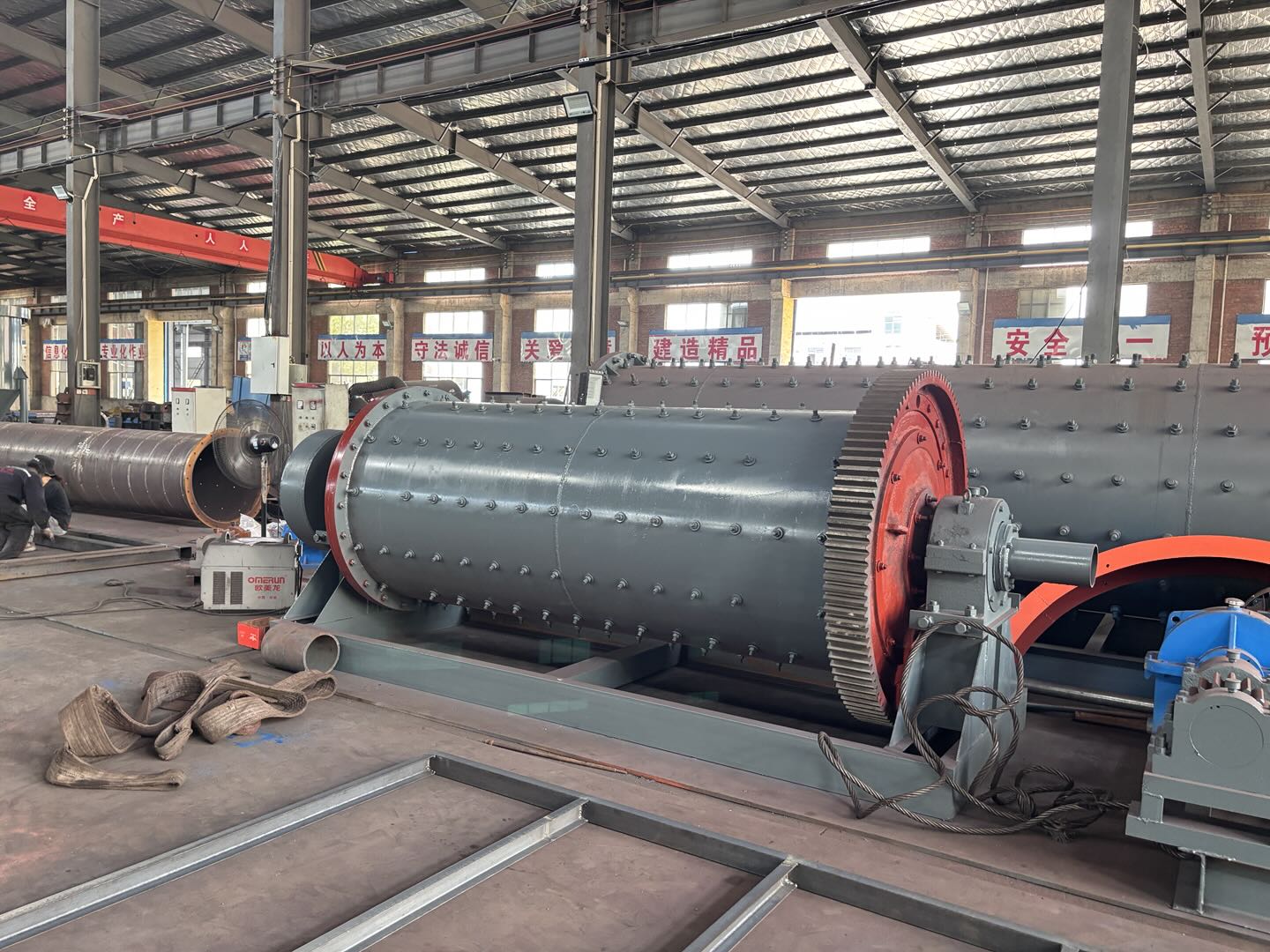
3. Ball Mill Foundation Construction
One of the most critical steps in ball mill installation is constructing a stable foundation. Small mining sites often face challenges such as low-strength soil, waterlogged ground, or limited concrete availability. A strong foundation prevents vibration, misalignment, and long-term structural failure.
3.1 Excavation and Ground Compaction
The ground must be excavated to the correct depth, leveled, and compacted to avoid settlement after installation.
3.2 Reinforced Concrete Design
Structural engineers typically design a high-strength concrete base with steel reinforcement to support dynamic loads. Small mining sites must follow all curing requirements before anchoring the ball mill.
3.3 Foundation Bolts Positioning
Accurate bolt positioning is essential for trunnion bearing alignment. Laser tools or precision templates are recommended.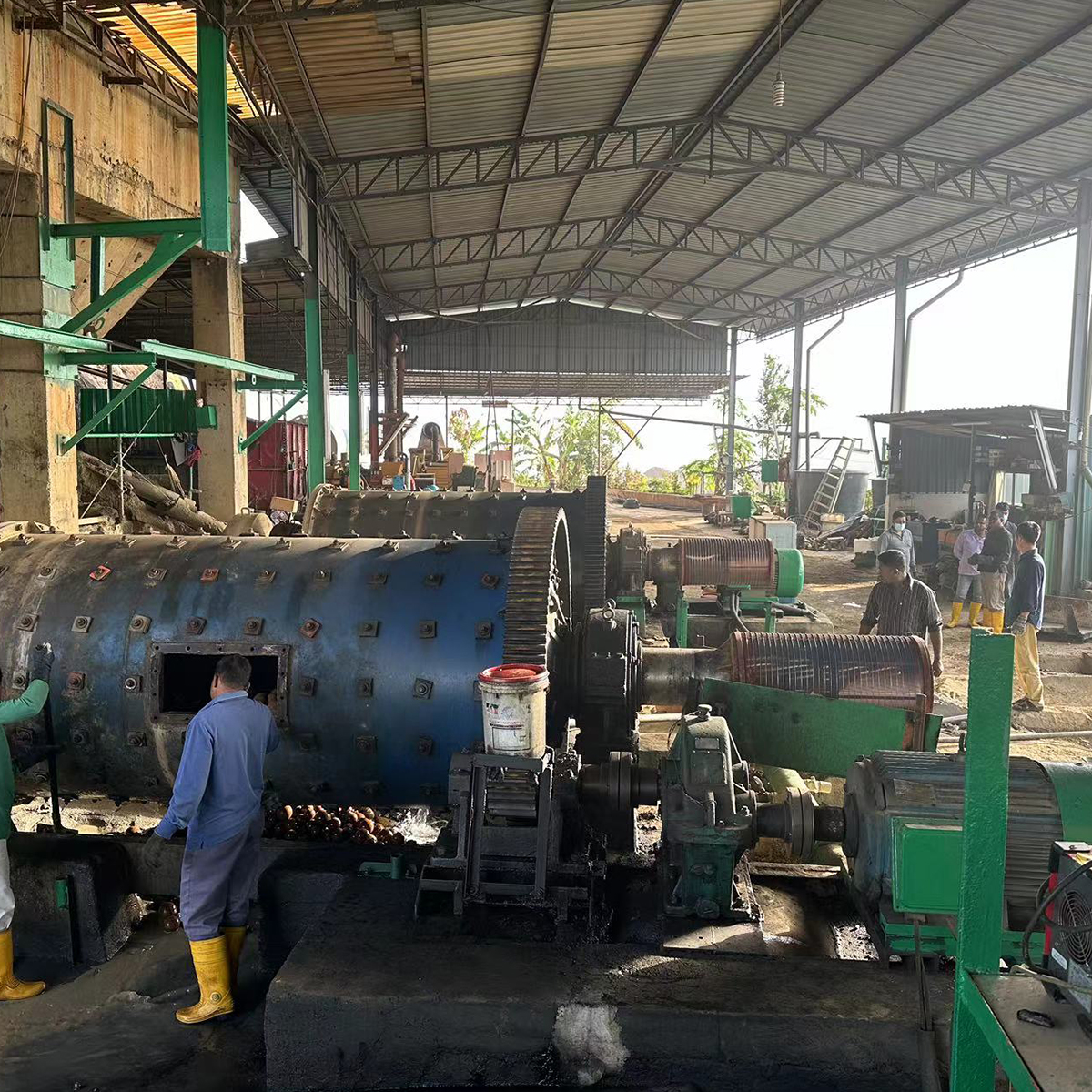
4. Shell Alignment and Structural Assembly
Proper alignment determines whether the ball mill will run smoothly or suffer from premature bearing wear, gear failure, or excessive vibration. In small mining sites, precision becomes even more important due to limited repair capacity.
4.1 Shell Assembly
Mount the mill shell sections using cranes. Ensure perfect edge mating, weld preparation, and bolt torquing.
4.2 Trunnion and Bearing Installation
Install trunnion bearings on both ends following manufacturer tolerances. Poor alignment is among the top causes of early failures.
4.3 Girth Gear and Pinion Alignment
Aligning the gear mesh is a highly delicate task. Small mining sites must ensure professional supervision during girth gear installation.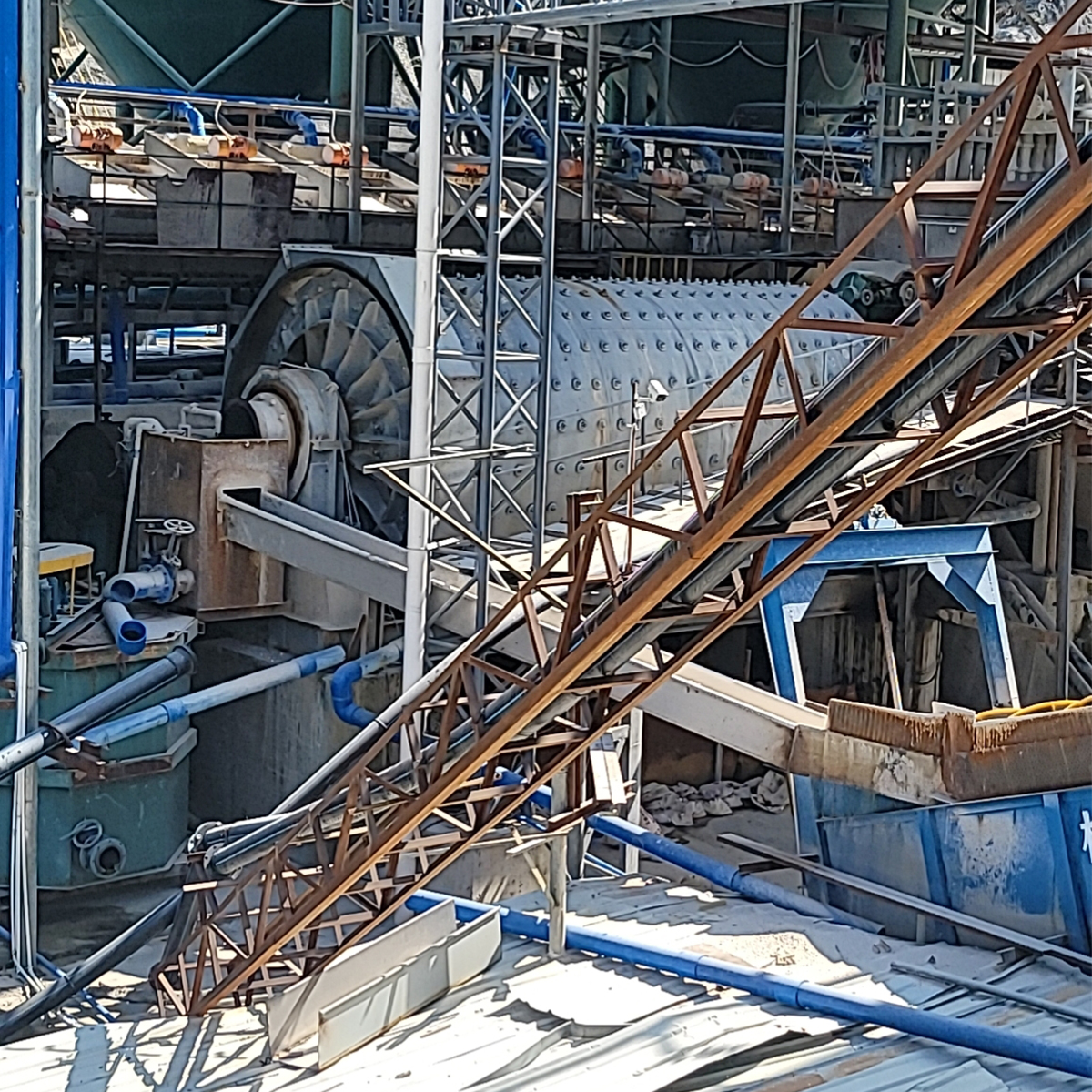
5. Installation of Ball Mill Liners
Ball mill liners protect the shell from wear and optimize grinding efficiency. For small mining sites, choosing the right liner design improves throughput and reduces energy consumption.
5.1 Types of Liners
- Rubber liners – Lightweight, ideal for small mines
- High-manganese steel liners – Suitable for high-impact grinding
- Composite liners – Improve efficiency and reduce noise
5.2 Liner Installation Tips
Use liner bolts with locking systems, torque them sequentially, and ensure no gaps exist between the liner and shell.
6. Drive System Setup and Motor Alignment
The drive system determines how effectively the ball mill rotates. Incorrect installation leads to high power consumption, overheating, and uneven wear.
6.1 Motor Base Alignment
Align the motor with the gearbox or pinion using precision laser tools.
6.2 Lubrication System Installation
Automatic lubrication pumps should be calibrated to deliver precise oil flow to trunnion bearings and gears.
7. Initial Start-Up and Commissioning
Commissioning a newly installed ball mill involves several verification steps before full-load operation:
- Dry run testing
- Lubrication pressure checks
- Vibration monitoring
- Gradual ore feeding
- Load increase over 24–48 hours
8. Integrating Ball Mill into a Complete Mineral Processing Line
A ball mill seldom operates alone. Small mining sites typically pair it with crushing, screening, and gravity separation equipment. Below are recommended internal links to complete the plant design:
- Jaw Crusher – For primary crushing of hard ore before grinding.
- Cone Crusher – Secondary crushing for uniform feed size.
- Trommel Screen – Screening and classification of crushed ore.
- Gold Shaking Table – Gravity separation after milling.
- Ball Mill – Core grinding equipment.
9. Maintenance Best Practices for Small Mining Sites
Maintenance is essential to ensure long-term performance of the ball mill. Small mining sites should establish weekly and monthly inspection routines.
9.1 Daily Checks
- Bearings temperature
- Lubrication flow and pressure
- Vibration levels
- Ore feed consistency
9.2 Monthly Tasks
- Gear mesh inspection
- Liner wear monitoring
- Trunnion seal inspection
10. Safety Tips During Ball Mill Installation
Safety must always come first in small mining sites. Ball mill installation involves heavy lifting, high torque forces, rotating components, and electrical systems.
- Wear full protective equipment
- Use certified lifting equipment
- Ensure proper lockout-tagout procedures
- Keep unauthorized personnel away from installation zones
11. Frequently Asked Questions (FAQ)
Q1: How long does ball mill installation take?
Small mining sites typically require 7–20 days depending on the foundation size and availability of equipment.
Q2: What is the biggest challenge in small mining sites?
Access to cranes and alignment tools. Improvised installation often leads to failures.
Q3: Can small mining sites use mobile ball mills?
Yes, compact or skid-mounted ball mills are popular in remote operations.
12. Conclusion
Effective ball mill installation in small mining sites is essential for stable operation, reduced downtime, and optimized mineral recovery. By following the detailed steps in this guide—site preparation, foundation construction, alignment, liner installation, motor setup, safety procedures, and maintenance—mine operators can significantly improve grinding efficiency and extend equipment life. Whether your mining operation focuses on gold, copper, or other metallic ores, choosing a reliable ball mill and installing it properly ensures long-term productivity and profitability.