
Preventive Maintenance Strategies for Mining Equipment
Preventive Maintenance Strategies for Mining Equipment
📘 Table of Contents
- 1. Introduction: Why Preventive Maintenance Matters in Mining
- 2. Understanding Preventive Maintenance for Mining Equipment
- 3. Benefits of Preventive Maintenance
- 4. Key Strategies for Effective Maintenance Programs
- 5. The Role of Technology and Data Analytics
- 6. How to Implement a Preventive Maintenance Plan
- 7. Related Mining Equipment and Internal Links
- 8. Conclusion
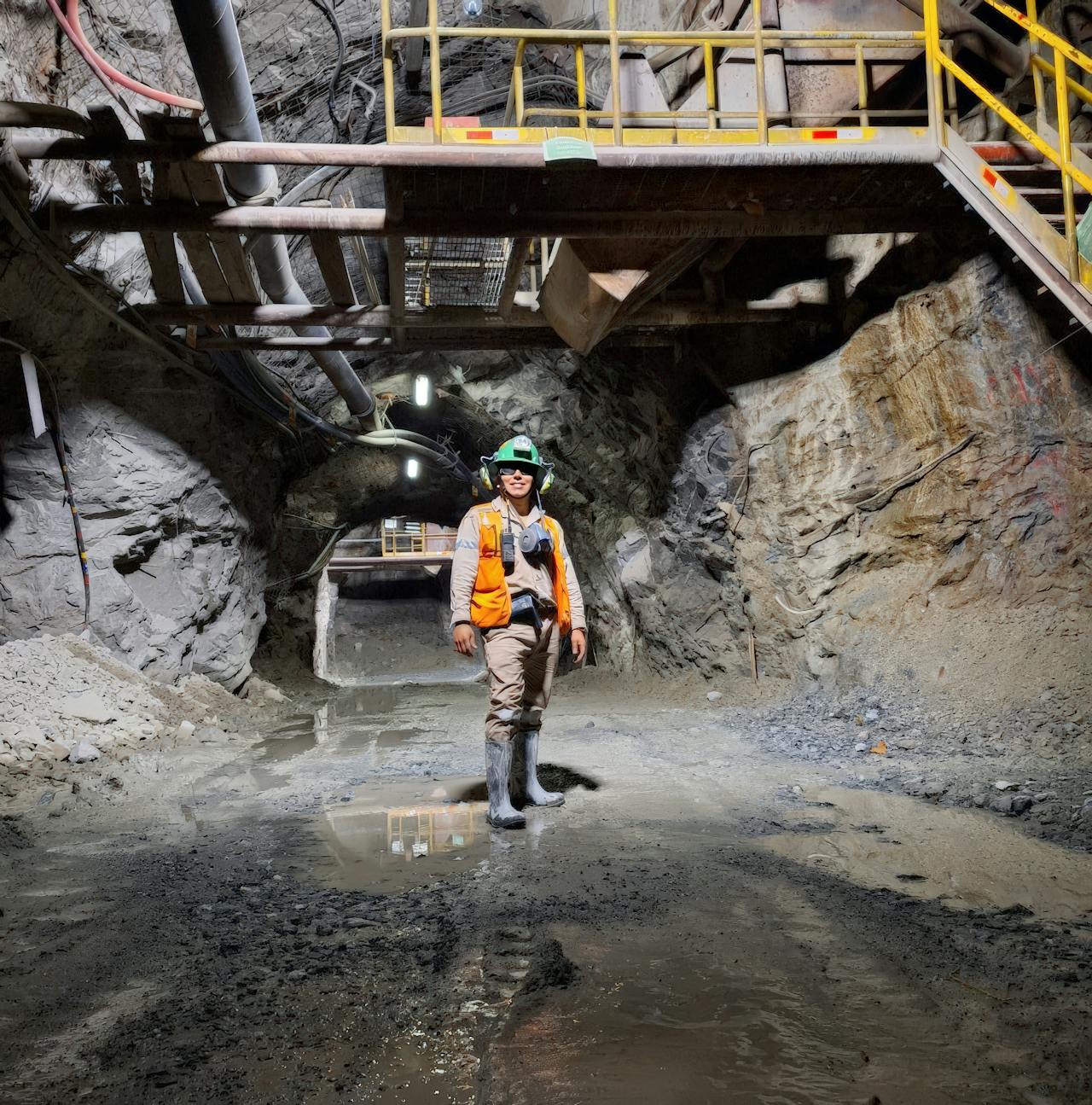
1. Introduction: Why Preventive Maintenance Matters in Mining
In modern mining operations, preventive maintenance is not just a cost-saving measure—it’s a critical safety and efficiency strategy. With equipment working under extreme pressure, temperature, and dust, any unexpected failure can lead to severe downtime, repair costs, and safety risks.
By implementing mining equipment maintenance programs that focus on prevention rather than reaction, companies can reduce unplanned stoppages and extend the lifespan of key assets.
2. Understanding Preventive Maintenance for Mining Equipment
Preventive maintenance refers to regular, scheduled inspections and services that aim to prevent unexpected breakdowns. In the mining industry, this includes checking hydraulic systems, engines, conveyor belts, and lubrication systems.
Unlike reactive maintenance, which repairs machines after failure, preventive maintenance ensures that mining equipment operates under optimal conditions, avoiding long-term damage.
3. Benefits of Preventive Maintenance
- Reduces costly downtime caused by sudden equipment failures.
- Extends the operational lifespan of mining machinery.
- Improves workplace safety and compliance with regulations.
- Enhances fuel efficiency and equipment performance.
- Supports predictive analytics for smarter decision-making.

Companies that prioritize preventive maintenance often report up to 25% higher equipment uptime compared to reactive approaches.
4. Key Strategies for Effective Maintenance Programs
To maximize performance, mining operators should adopt a structured maintenance framework. Effective preventive maintenance strategies include:
- Scheduled Inspections: Weekly and monthly checks for wear and corrosion.
- Condition Monitoring: Use vibration, oil, and thermal analysis to detect early warning signs.
- Parts Replacement: Replace filters, seals, and hoses before failure.
- Lubrication Management: Prevent friction-related wear in engines and bearings.
- Documentation: Record maintenance activities for trend analysis.
Integrating these strategies into a digital maintenance management system (CMMS) enhances data visibility and operational control.
5. The Role of Technology and Data Analytics
Modern mining equipment maintenance increasingly relies on IoT sensors and AI-based analytics. These technologies enable predictive maintenance, which detects anomalies before breakdowns occur.
Smart devices collect real-time data such as vibration levels, temperature, and oil viscosity, allowing engineers to predict component wear. This digital transformation minimizes human error and optimizes scheduling efficiency.
6. How to Implement a Preventive Maintenance Plan
The success of a preventive maintenance plan depends on structured implementation:
- Audit all mining assets and categorize them by criticality.
- Set maintenance intervals based on manufacturer recommendations.
- Train operators to recognize early signs of failure.
- Use software to schedule and track all maintenance tasks.
- Review KPIs such as mean time between failures (MTBF).
By embedding maintenance culture into daily operations, companies can achieve safer, more sustainable mining operations.
7. Related Mining Equipment and Internal Links
- Belt Conveyor Systems
- Crusher Machines
- Ore Screening Equipment
- Mining Lubrication Systems
8. Conclusion
In today’s competitive mining industry, adopting effective preventive maintenance strategies is essential. By combining technology, training, and proactive planning, mining companies can enhance safety, reduce costs, and maintain peak operational performance.