
How to Choose the Right Gravity Separation Equipment for Your Mine
Gravity separation has long held a pivotal role in mining and mineral processing. Thanks to its low production costs, environmental friendliness, and broad applicability to common ores such as gold, tungsten, tin, and hematite, it remains an indispensable part of the industry.
However, in actual production, mine owners often find themselves at a crossroads when faced with the vast array of gravity separation equipment on the market. The pressing question is always: which piece of equipment is truly the best fit for my specific ore?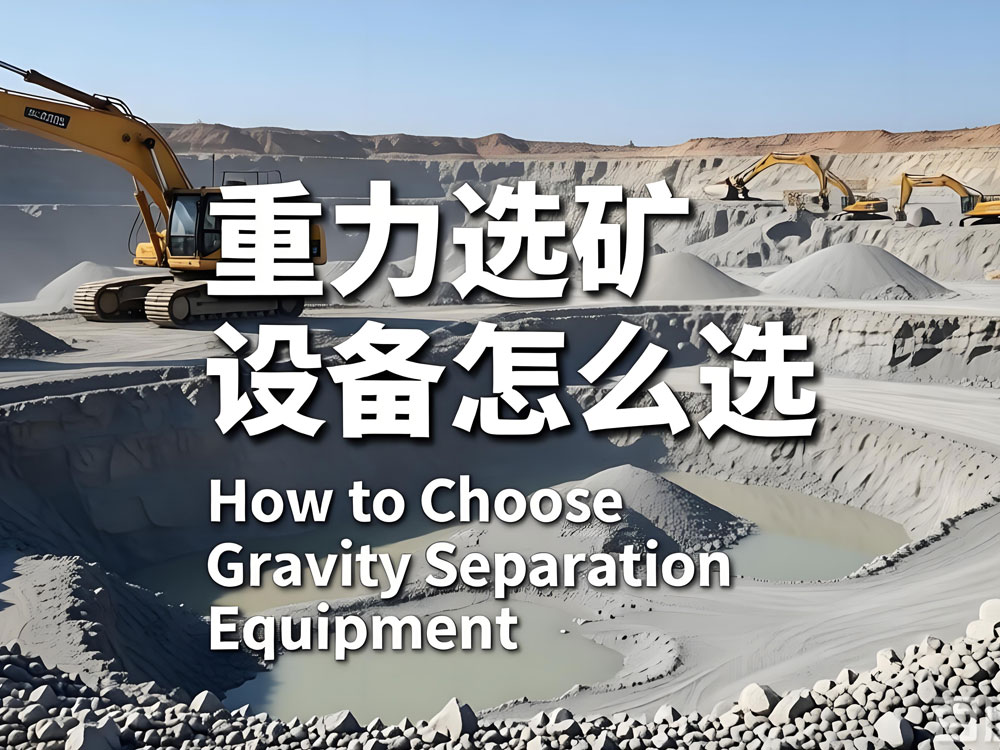
With over a decade of experience in the field, we have seen far too many peers fall into costly traps. Just two years ago, a mine owner in China bought a jig separator advertised as having a capacity of 15 tons per hour, purely because it was cheap.
After installation, he discovered the sieve plates were as thin as sheet metal. When processing tungsten ore, the recovery rate failed to reach even 65%. The sieve plates deformed within three months, and the equipment was left idle within half a year.
Choosing gravity separation equipment is not as simple as comparing prices against a spec sheet. Today, we have compiled a comprehensive guide to help you navigate this critical decision.
1. Know Your Ore First: The Fundamentals of Gravity Separation
Purchasing equipment should never rely solely on past experience. Gravity separation places high demands on the physical and chemical properties of the raw ore. The following three factors must be evaluated as a baseline:
1) Is the Density Difference Sufficient?
Gravity separation works by exploiting the density difference between minerals. The magnitude of this difference directly dictates equipment compatibility.
Generally, the density difference between the valuable mineral and the gangue (waste rock) needs to be greater than 1 g/cm³. If the difference is too small, forcing gravity separation will only result in incomplete separation and substandard concentrate grades.
2) Particle Size and Degree of Liberation
Gravity separation is most effective for sand-sized particles, typically in the range of 0.1 mm to several tens of millimeters. If the mineral liberation size is too fine (for example, finer than 200 or even 300 mesh), the recovery efficiency of conventional gravity separation equipment may be compromised.
Therefore, understanding the liberation characteristics of the ore at different grinding fineness levels is key to equipment selection. For instance, coarse-grained gold and tungsten ores are better suited for jig separators, while fine-grained hematite and cassiterite require shaking tables or spiral chutes.
3) Clay Content
For ores with a clay content exceeding 20%, pre-processing with desliming and classification equipment is mandatory. Otherwise, unstable slurry concentrations will disrupt the fluid dynamics of the gravity separation process, drastically reducing efficiency.
2. Mainstream Equipment: Which One Fits Your Ore?
Understanding equipment characteristics is the prerequisite for precise selection. Below are some of the most commonly used gravity separation devices in industrial applications:
1)Jig Separators: The Go-To for Coarse Particles
Jig separators utilize vertical alternating water currents to loosen the bed and stratify materials by density. They are characterized by high throughput, a small footprint, and resistance to clogging.
They are ideal for processing coarse ores (2–25 mm) such as manganese, chrome, tungsten, tin, and gold. For ores with coarse dissemination sizes and a high proportion of coarse gold, jig separators are an optimal choice.
Furthermore, newer sawtooth wave jigs offer significant improvements in both energy efficiency and recovery rates.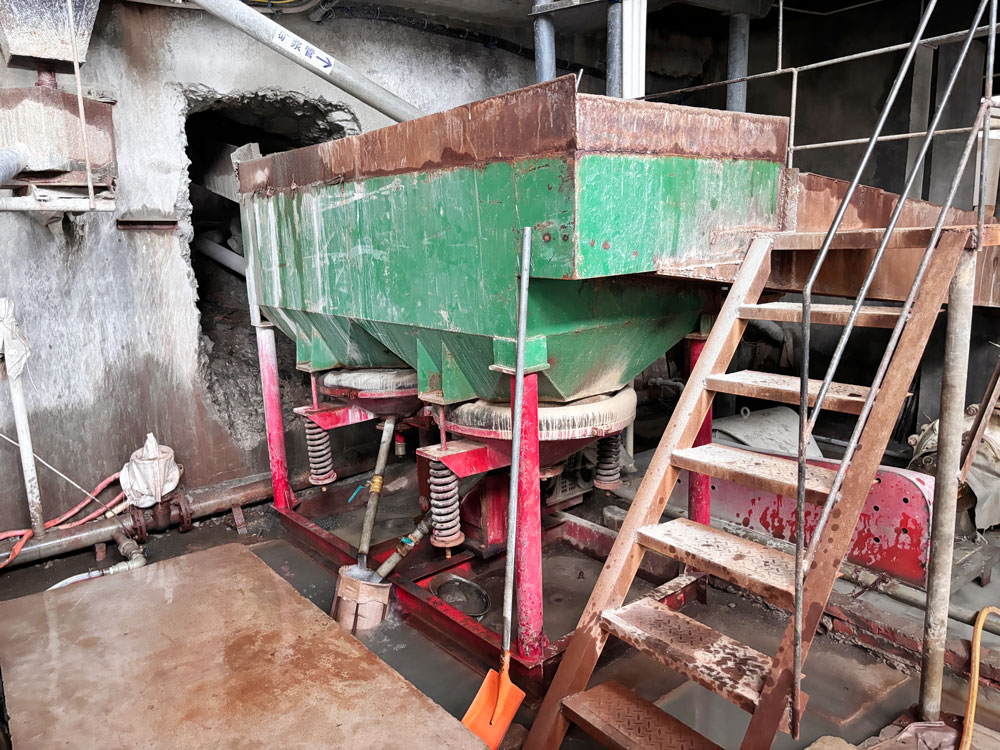
2)Spiral Chutes: Ideal for Upgrading Low-Grade Ores
Spiral chutes rely on the natural gravity of the slurry as it spirals down the chute to achieve separation, requiring no electricity and consuming minimal energy.
Their effective separation range is typically 0.03–2 mm, with a single unit capable of handling 3–5 t/h. Spiral chutes are particularly well-suited for upgrading large volumes of low-grade ores where the monomer liberation size falls between 100 and 200 mesh.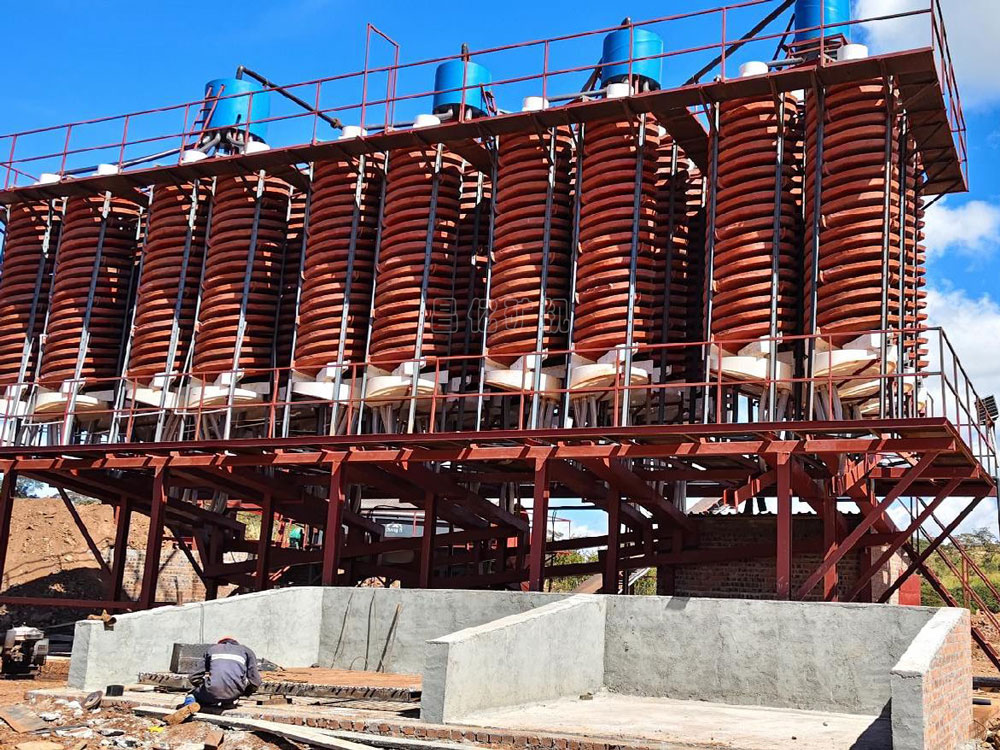
3)Shaking Tables: Precision Separation
6-S shaking tables perform exceptionally well when separating minerals with relatively close specific gravities. They handle a wide particle size range (2 mm down to 300 mesh) and offer high recovery precision for rare metal ores like tungsten, tin, gold, tantalum, and niobium.
However, their single-unit throughput is relatively low (typically under 1 t/h), and they require considerable floor space.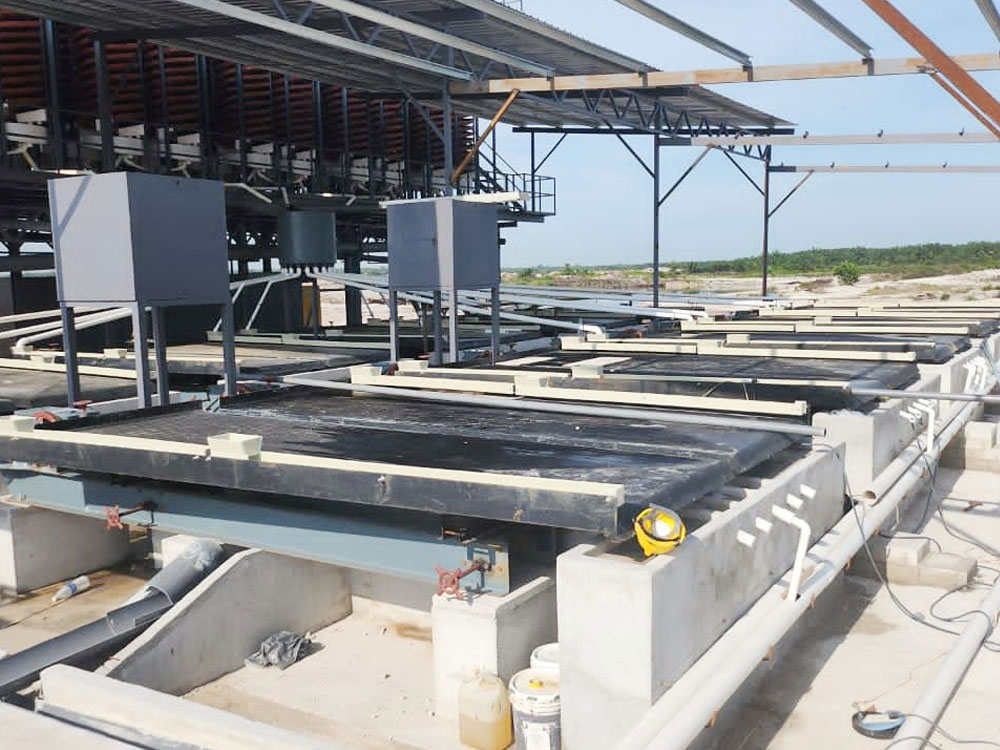
4)Water-Jacketed Centrifuges: Recovering Fine Alluvial Gold
Designed for naturally weathered alluvial gold and tin ores, water-jacketed centrifuges effectively recover minerals smaller than 1 mm that have a significant specific gravity difference. With a high single-unit capacity (20–100 t/h), they are a staple in large-scale alluvial gold mining operations.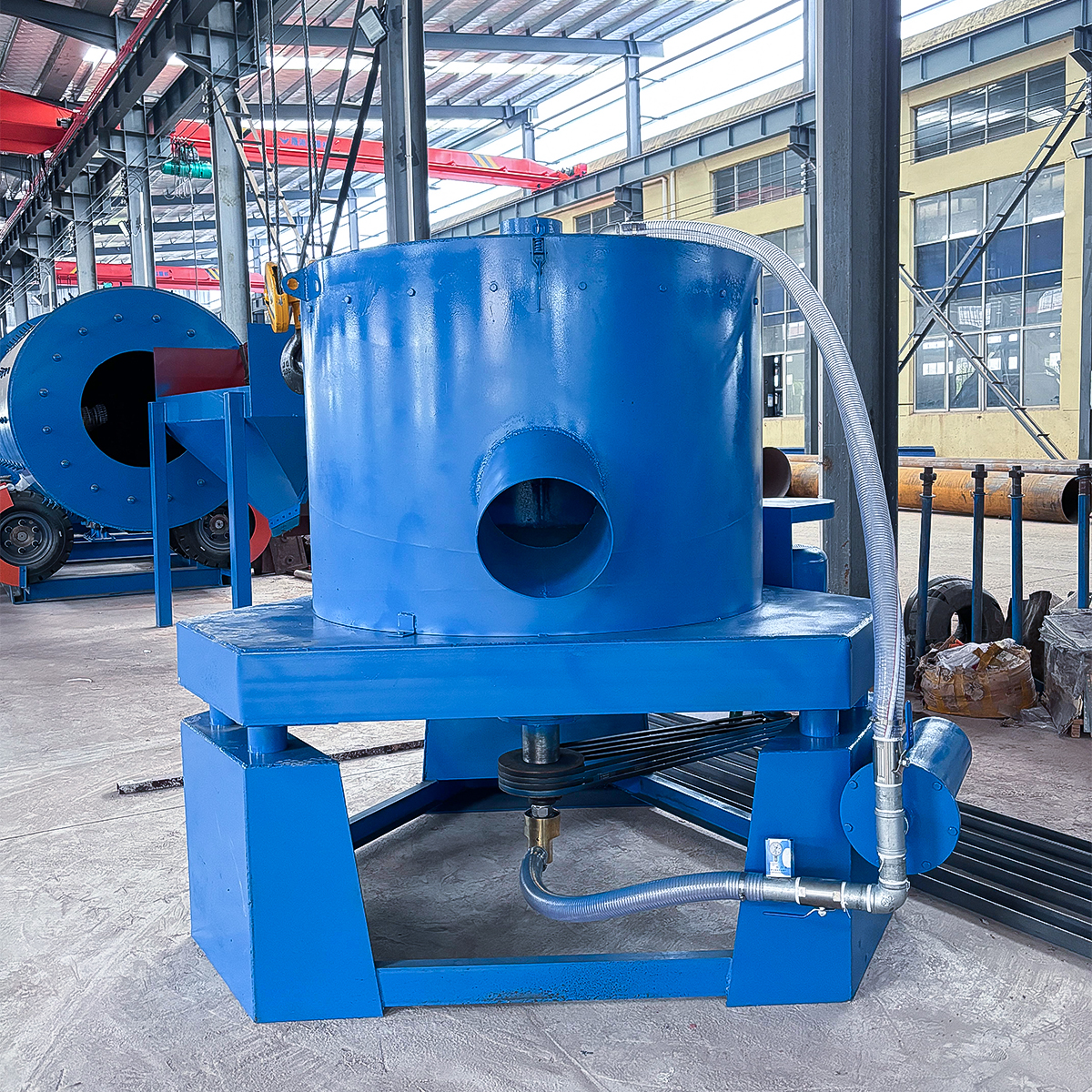
3. Stage-Based Gravity Separation: How to Connect Equipment
Modern mineral processing no longer relies on a single piece of equipment. Instead, it employs "stage-based gravity separation," with the core principle being "recover as early as possible."
Stage 1 (Coarse Recovery): Jig separators are typically installed at the discharge of the primary ball mill. At this stage, the slurry concentration is high, and coarse gold has just been liberated, making it the optimal time for recovery.
Stage 2 (Medium/Fine Recovery): After primary classification overflow or secondary grinding, spiral chutes or centrifuges are introduced to recover further-liberated medium and fine gold particles.
Stage 3 (Scavenging): If coarse gold accounts for a significant proportion (>60%), a scavenging gravity separation stage can be added after the final classification overflow or flotation tailings to recapture any lost fine gold.
4. Frequently Asked Questions (FAQ)
Q1: Which is more cost-effective, gravity separation or flotation?
A: If the ore has a sufficient density difference, go straight for gravity separation. It requires no chemical reagents, and its operating costs are only about one-third of those for flotation, with no environmental concerns regarding chemical pollution. However, if the ore is very finely disseminated with a small density difference, adopt a combined process of "gravity pre-concentration followed by flotation for upgrading." This reduces the volume of ore sent to flotation by more than half, significantly boosting overall profitability.
Q2: How often should gravity separation equipment parts be replaced under normal conditions?
A: Under normal daily operating conditions, replacing jig sieve plates, shaking table riffles, and spiral chute wear liners every 1 to 2 years is standard. If a manufacturer claims their equipment can run for five or six years without replacing any parts, they are simply misleading laypeople. Before signing a contract, always clarify the price and delivery speed of wear parts so you are not left scrambling when replacements are needed.
Q3: Why is it not recommended for small mines to adopt a three-stage gravity separation process?
A: While three-stage gravity separation offers higher recovery rates, it entails high capital investment, high equipment idle rates, and increased maintenance costs and management complexity. Small mines should act within their means based on their ore characteristics. Typically, a two-stage gravity separation process combined with subsequent flotation or cyanidation is sufficient to meet economic targets.
Q4: What gravity equipment is generally paired with different types of ores?
A: For coarse alluvial gold and tungsten ores, go directly with jig separators. For medium-sized ores, use shaking tables for fine selection to produce high-grade concentrates. For fine-grained hematite and manganese ores, choose spiral chutes. For recovering precious metals from ultra-fine tailings, use centrifugal concentrators. Matching equipment to the ore's particle size range is the only way to achieve optimal separation results.
Conclusion
Selecting gravity separation equipment is a systematic engineering project. There is no single "best" equipment—only what is most compatible with your specific mine. From analyzing raw ore properties and conducting laboratory pilot tests, to matching equipment characteristics and integrating them into the process flow, every step directly impacts the mine's ultimate economic returns.
Choosing the right equipment ensures a smooth production line, stable recovery rates, and steady profits. We hope this article provides valuable reference for your gravity separation equipment selection and process design.