
Coal Gangue to Profit:Sulfide Concentrate Washing and Separation Process
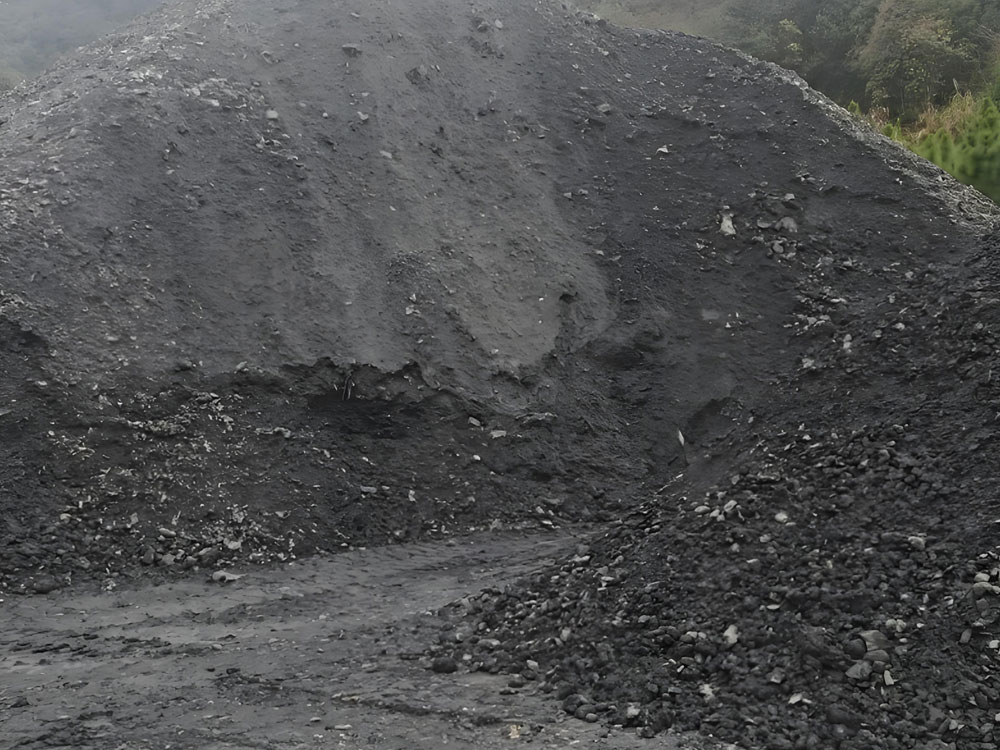
At the end of the coal mining and preparation supply chain, massive piles of coal gangue have long been a persistent solid waste challenge for mining districts. These waste piles not only consume valuable land resources but also pose severe environmental risks, such as spontaneous combustion and acid leachate pollution.
Fortunately, the widespread adoption of the Sulfur Sand Washing Process has transformed this "burden" into a monetizable resource. Through physical separation methods, high-value sulfur sand is extracted from sulfur-bearing coal gangue, while the remaining tailings are directly utilized for building material production. This effectively completes the entire recycling loop of "turning waste into treasure."
The Nature and Resource Value of Sulfur Sand
Many newcomers to sulfide ore separation often confuse sulfur sand with standard sulfur concentrate. While related, they have distinct differences.
- Essential Definition: Sulfur sand is essentially a high-grade fine sand form of pyrite (iron sulfide), belonging to a special category of sulfur concentrates. Its primary component is iron disulfide. Its most intuitive characteristic is its fine, river-sand-like texture, with a sulfur content significantly higher than the associated sulfur resources found in typical coal gangue.
- Unique Advantages: Unlike traditional sulfur concentrates derived from primary pyrite ores, sulfur sand is predominantly recovered from sulfur-bearing coal gangue. It generally features a more uniform particle size distribution, and its impurities mainly consist of gangue minerals from the coal seam, making it highly compatible with subsequent smelting and processing.
In the past, many mining districts either directly landfilled sulfur-bearing coal gangue or sold it at low prices to brick factories as an additive, completely overlooking the embedded pyrite resources.
Today, the market value of one ton of qualified sulfur sand is far higher than that of ordinary coal gangue. A mature sulfur sand washing process can even transform a gangue dump site that previously generated meager returns into a new profit center for the mining district.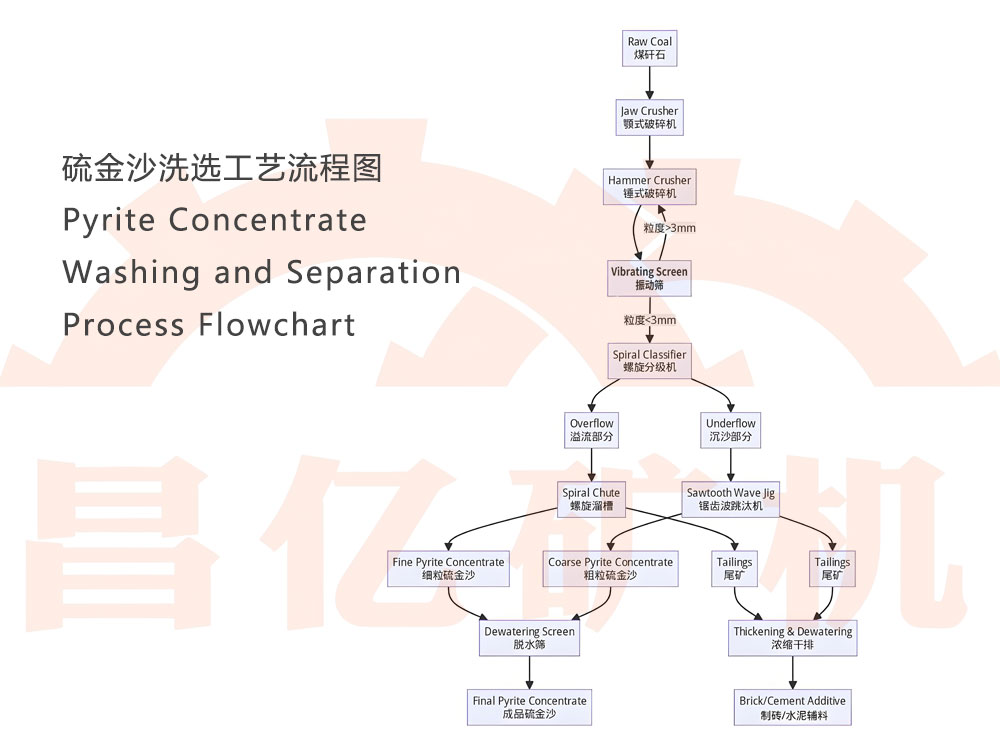
Step 1: Crushing and Pre-treatment
To completely liberate the pyrite particles embedded within the coal gangue, the initial crushing stage must not be compromised, as it directly dictates the upper limit of subsequent separation operations.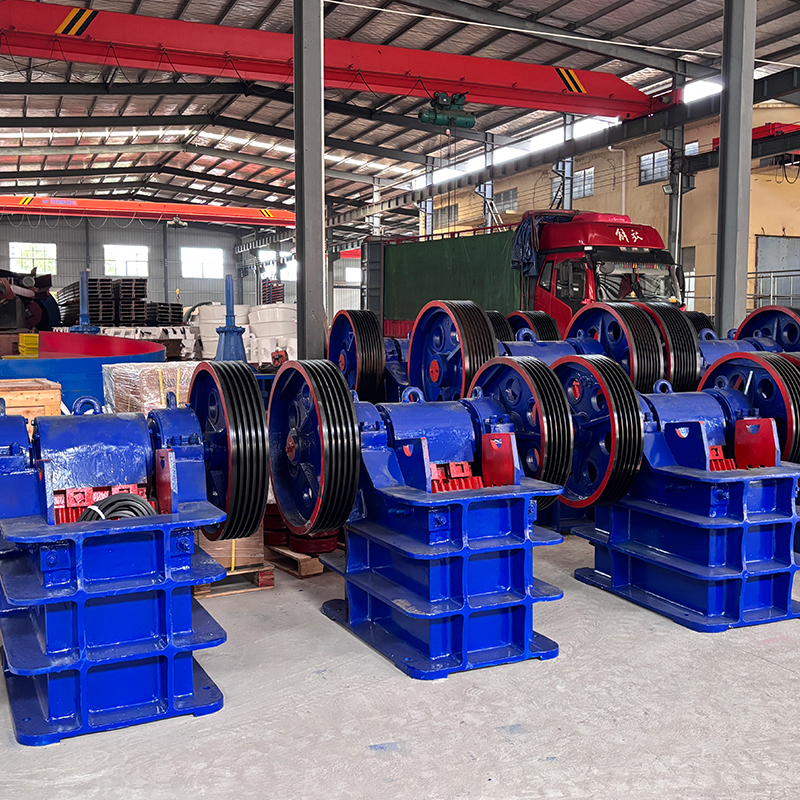
Standard Two-Stage Crushing Configuration
The mainstream pre-treatment process in the industry universally adopts a two-stage combination of Jaw Crusher + Hammer Crusher:
- Primary Crushing: Large chunks of raw coal gangue are first fed into a jaw crusher, reducing the original stones (several tens of centimeters in diameter) to under 10 cm.
- Secondary Crushing: The material is then sent to a hammer crusher for fine crushing, with the final output size stably controlled at under 3 mm.
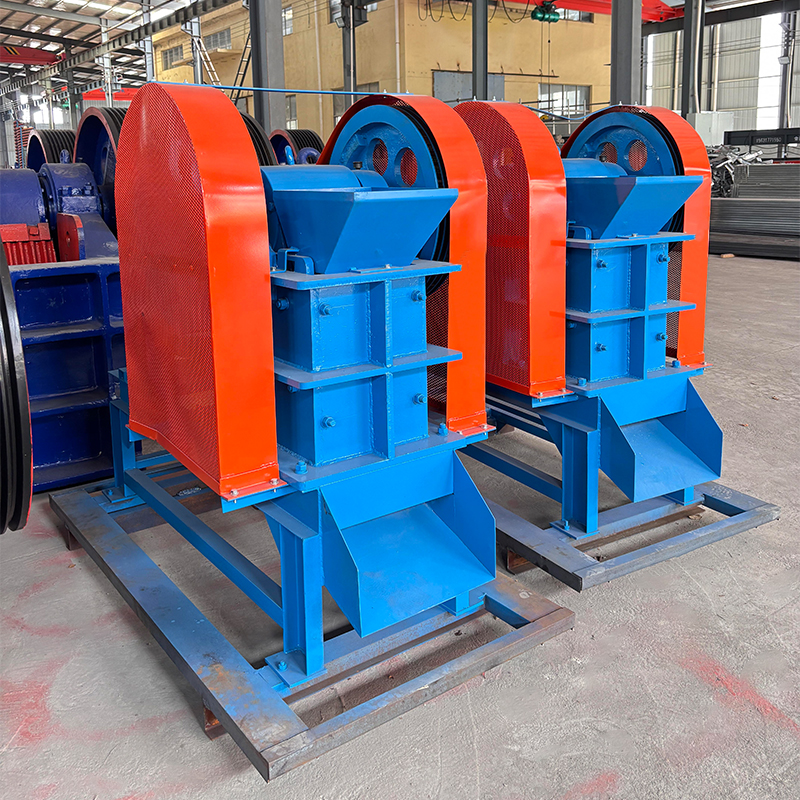
After these two stages, the vast majority of pyrite particles previously adhering to the coal gangue achieve basic monomer liberation, preventing "locked particles" (composite particles of ore and gangue) from remaining trapped in large waste rocks.
Why Strictly Control the Output Size to Under 3 mm?
Many novices ask whether the crushing size can be widened to save equipment energy consumption. The answer is no. If the crushed material is too coarse, the pyrite and coal gangue cannot be fully separated. Subsequent gravity separation equipment will be unable to accurately separate the two based on specific gravity differences, ultimately leading to a drastic decline in sulfur sand recovery rates.
Step 2: Classification and Separation
Crushed material is not sent directly to separation; it must first enter a spiral classifier, a pivotal link connecting upstream and downstream processes in the sulfur sand washing circuit.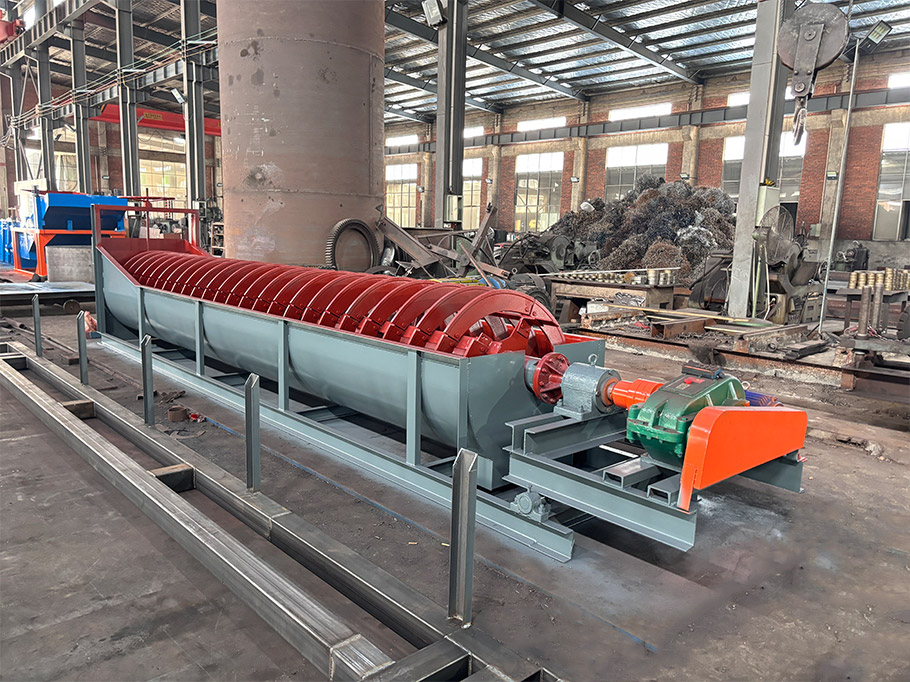
- Working Logic: It utilizes the differences in settling velocities of mineral particles with varying sizes and specific gravities in water to divide the crushed mixture into two streams.
- Desliming Function: As the spiral blades slowly push the material forward, muddy impurities trapped in the coal gangue are thoroughly washed away by water. This prevents fine slime from coating the mineral surfaces, which would otherwise compromise the separation accuracy of subsequent gravity separation.
After classification:
- Finer Material: Forms the classifier overflow and is sent directly to spiral chutes for separation.
- Coarser Material: The sinking sand is fed into the next core separation equipment—the sawtooth wave jig.
This "classified feeding by particle size" design is a crucial prerequisite for achieving high recovery rates downstream.
Core Separation: Synergistic Operation of Jigs and Chutes
The most critical part of the sulfur sand washing process is the combined gravity separation using sawtooth wave jigs and spiral chutes, leveraging the massive specific gravity difference between pyrite and coal gangue to completely separate them.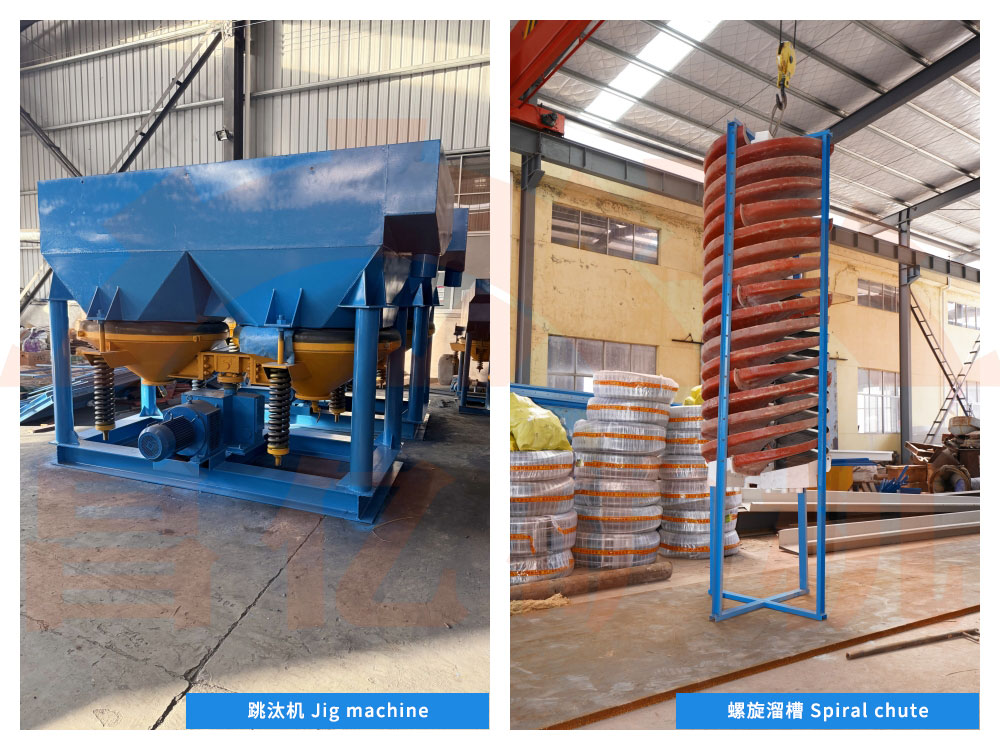
Sawtooth Wave Jig: Precise Stratification of Coarse-Grained Sulfur Sand
The sawtooth wave jig is the core equipment for processing coarse-grained sinking sand. It relies on periodically generated vertical pulsating water flows to repeatedly loosen and settle mineral particles in the jig bed:
- Heavy Minerals: Pyrite particles with higher specific gravity gradually sink to the bottom of the bed and are discharged via the discharge device.
- Light Minerals: Lighter coal gangue and gangue minerals float to the top layer and are discharged as tailings.
Technical Highlight: Compared to traditional sinusoidal wave jigs, sawtooth wave jigs feature a slower upward water velocity and a faster downward velocity. This effectively prevents fine pyrite particles from being washed away, significantly improving the recovery of coarse-grained sulfur sand.
Spiral Chute: The "Enrichment Artifact" for Fine-Grained Sulfur Sand
Spiral chutes, which process the classifier overflow, require absolutely no power. They rely solely on centrifugal force generated as material flows in a circular path down an inclined plane to achieve separation:
- Concentrate Enrichment: Heavier pyrite particles gradually migrate toward the inner side of the spiral trough, slowly enriching into concentrate.
- Tailings Discharge: Lightweight coal gangue and gangue minerals migrate toward the outer edge of the chute along the outer side, eventually being discharged as tailings.
This zero-power equipment not only boasts extremely low operating costs but also delivers excellent recovery performance for fine-grained pyrite, perfectly matching the separation requirements for finely disseminated pyrite in coal gangue.
Process Advantages and Resource Recycling Loop
Why Adopt This Combined Process?
Many early simplified washing lines took shortcuts by sending all crushed material directly into jigs without classification. This caused coarse and fine minerals to interfere with each other, resulting in massive amounts of fine pyrite being lost to the tailings. Practical data shows that the current mainstream sulfur sand washing process, which strictly feeds material by classified particle sizes, can directly boost overall recovery rates by 15%~20%, yielding a highly significant improvement in resource utilization.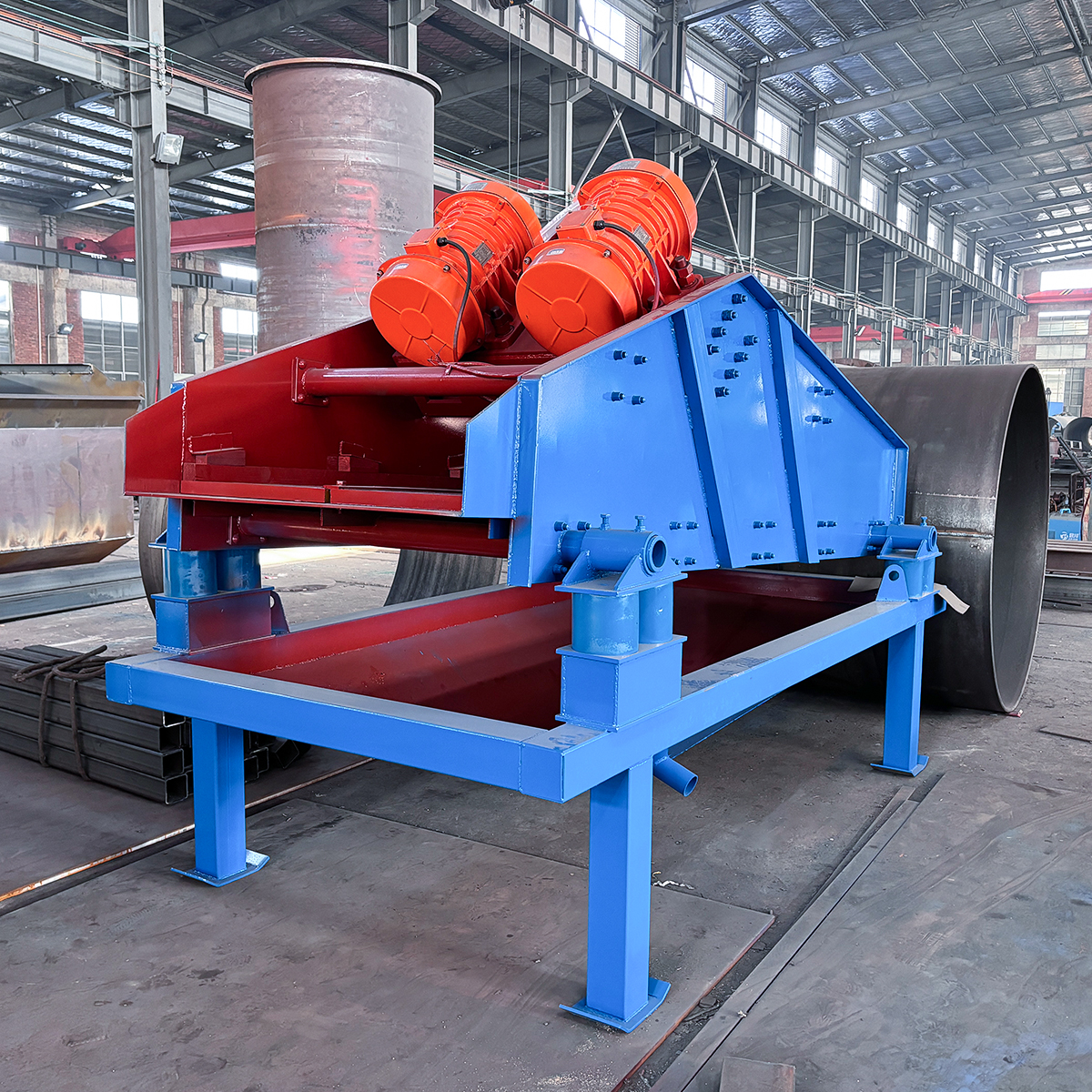
High-Frequency Vibrating Dewatering: Stable Product Grade Above 40%
The coarse sulfur sand concentrate obtained from gravity separation is first sent to a high-frequency vibrating dewatering screen. The dewatered sulfur sand has its moisture content controlled within a reasonable range for convenient storage and transportation. The final product grade can be stably maintained above 40%, fully meeting the feed standards for downstream industries such as sulfuric acid production.
100% Tailings Resource Utilization with Zero Secondary Pollution
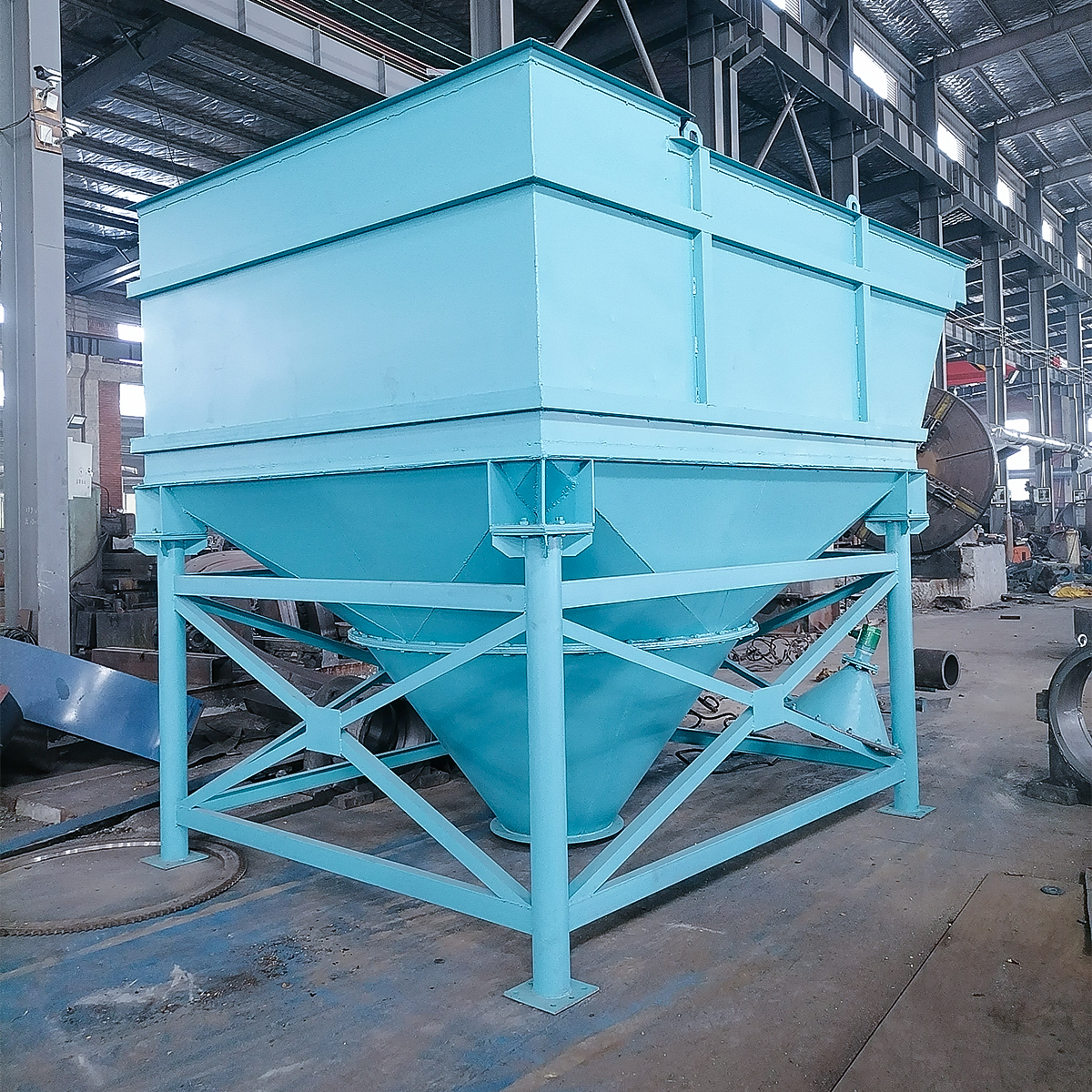
The tailings generated from separation are not directly discarded. Instead, they are first sent to a thickener for concentration and then processed into dry residue via a dry discharge system. These treated coal gangue tailings serve as premium raw materials for producing sintered bricks and cement admixtures, which can be sold directly to building material enterprises. The entire sulfur sand washing process generates virtually no external waste discharge, truly achieving 100% resource utilization of coal gangue solid waste while balancing economic benefits with ecological environmental protection.
Frequently Asked Questions (FAQ)
Q1: What is the primary chemical composition of sulfur sand?
A: The main component of sulfur sand is pyrite ($FeS_2$). It is a high-grade form of sulfur concentrate characterized by high sulfur content and a fine, sand-like particle texture.
Q2: What are the site size requirements for building a sulfur sand washing production line?
A: A small-scale line processing several dozen tons per hour requires only a few hundred square meters. A large-scale line processing over a hundred tons per hour, complete with a tailings dry discharge system, requires only a few thousand square meters of industrial land. Most idle gangue dump sites in mining districts can be directly repurposed for this.
Q3: Is the water consumption high in the sulfur sand washing process? Will it cause water pollution?
A: The vast majority of water used in the washing process is recycled through the tailings thickening system, resulting in very low fresh water supplementation. No chemical reagents are added during production. The circulating water can be reused after simple sedimentation, ensuring zero discharge of harmful industrial wastewater.
Q4: Is this process still applicable if the pyrite in the coal gangue is very finely disseminated?
A: Yes. By adjusting the crushing size to control the output at 2 mm or finer, and optimizing the parameters of the spiral chutes, most sulfur-bearing coal gangue with finely disseminated pyrite can be effectively recovered using this sulfur sand washing process.