
Reducing Operator Fatigue in Mining Operations: A Complete Guide for Safer & More Efficient Mining Plants
Reducing Operator Fatigue in Mining Operations: A Complete Guide for Safer & More Efficient Mining Plants
📑 Table of Contents (Tabla de Contenido)
- 1. Introduction: Why Operator Fatigue in Mining Matters
- 2. Understanding the Causes of Operator Fatigue
- 3. Safety & Productivity Impacts of Mining Operator Fatigue
- 4. Ergonomic Design: How Better Equipment Reduces Fatigue
- 5. Automation & Smart Systems for Operator Fatigue Reduction
- 6. Training Programs & Fatigue Awareness for Mining Operators
- 7. Practical On-Site Solutions to Reduce Fatigue
- 8. Conclusion
1. Introduction: Why Operator Fatigue in Mining Operations Matters
Reducing operator fatigue in mining operations has become a critical priority in global mining industries. With long shifts, heavy machinery, intense environmental conditions, and physically demanding tasks, operators often experience declining alertness and slower reaction times. This directly increases safety risks and reduces production efficiency.
According to industry statistics, fatigue-related incidents account for a significant portion of mine accidents and near-miss events. Studies show that fatigued operators have an impairment level comparable to alcohol intoxication—making operator fatigue in mining a major safety threat.
Mining companies worldwide now recognize the need for fatigue management in mining operations through a combination of better equipment design, automation strategies, ergonomic improvements, and comprehensive monitoring.
In this guide, we explore:
- What causes fatigue in mining environments
- How fatigue impacts productivity, safety, and equipment performance
- How ergonomic mining equipment reduces fatigue
- The role of automation, AI, and monitoring systems
- In-plant solutions for a safer mining workforce
To illustrate these solutions, we also include relevant mining equipment internal links from Changyi Mining Equipment (changyimining.com).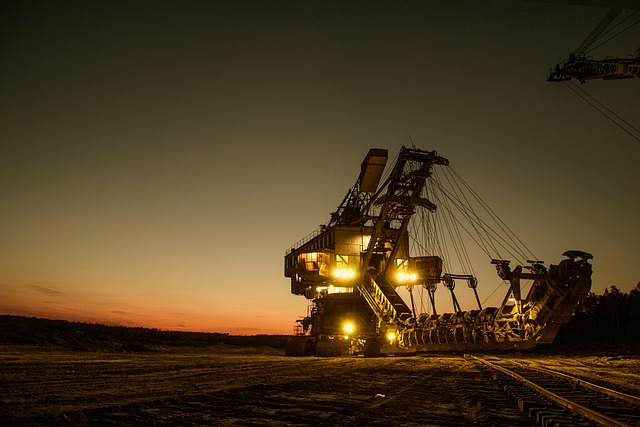
2. Understanding the Causes of Operator Fatigue in Mining
Mining is one of the most physically and mentally demanding industries in the world, and fatigue among operators is caused by numerous environmental, physiological, mechanical, and work-structural factors. Understanding these root causes is the first step to reducing fatigue and improving overall operator well-being.
2.1 Long Working Hours & Shift Schedules
Mining operations often run 24/7, requiring day shifts, night shifts, and rotating shift cycles. Irregular hours disrupt circadian rhythm, increasing the likelihood of operator fatigue in mining. Operators working extended shifts beyond 12 hours face dramatically higher fatigue levels.
2.2 Harsh Environmental Conditions
Operators in open-pit and underground mines endure:
- High temperatures
- Dust-heavy environments
- Poor visibility
- Loud noise and continuous vibration
These conditions place physiological stress on workers, accelerating fatigue buildup.
2.3 Heavy Equipment Vibration & Machinery Stress
One of the most overlooked contributors to fatigue is continuous equipment vibration. Machines such as crushers, feeders, screens, and trucks generate powerful vibrations that operators absorb through seats and controls.
Using vibration control mining equipment can significantly reduce whole-body vibration—an essential step for reducing operator fatigue.
2.4 Mentally Demanding Tasks
Operators must remain alert during tasks such as:
- Loading and hauling
- Equipment maneuvering
- Crusher feeding
- Monitoring control panels
Mental exhaustion is a major contributor to fatigue management in mining operations.
2.5 Poor Ergonomic Design
If mining cabins, seats, and controls are not ergonomically designed, operators experience:
- Back pain
- Neck stress
- Hand-arm vibration
- Reduced visibility and poor posture
Modern ergonomic mining equipment helps reduce physical strain and improve long-term comfort.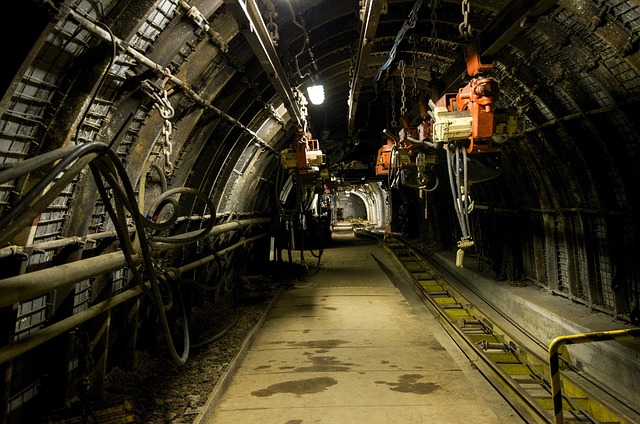
3. Key Technologies That Reduce Operator Fatigue
Modern mining operations increasingly rely on advanced fatigue-reduction technologies to protect operators and enhance productivity. As open-pit and underground mines expand production hours, innovative systems play a critical role in reducing physical strain, boosting alertness, and supporting safer work environments. These solutions are now essential components of ergonomic mining operations that prioritize long-term workforce health.
3.1 Ergonomic Cabin Redesign
One of the most effective ways to address operator fatigue is through comprehensive redesign of the mining equipment cabin. For example, modern excavators, haul trucks, loaders, and drilling rigs now integrate:
- Adjustable, multi-axis suspension seating with lumbar support
- Low-vibration flooring systems
- Optimized control layouts with reduced operator reach
- Improved ventilation and climate control
- Reduced cabin noise levels supported by acoustic insulation
These improvements significantly reduce operator strain during long shifts, making the cabin a core element in modern fatigue management strategies.
3.2 AI-Driven Fatigue Monitoring Systems
Mining companies increasingly deploy AI-powered monitoring systems that track operator alertness in real time. These systems use facial recognition, eyelid monitoring, head-tilt tracking, and steering-wheel movement patterns to detect early signs of fatigue. Once the system recognizes fatigue risk, automatic interventions such as:
- Auditory alerts
- Cabin seat vibration warnings
- Supervisor notifications
- Shift-rotation prompts
are activated to reduce the likelihood of accidents. This technology is essential for promoting safer, more efficient mining operations that rely on high-precision, fatigue-free performance.
3.3 Low-Vibration Equipment Components
Continuous exposure to vibration is a major contributor to both short-term and long-term operator fatigue. Modern machines include vibration-damping features such as:
- Hydraulic vibration isolation systems
- Anti-vibration pads beneath operator panels
- Enhanced shock-absorption on excavator booms and loader arms
- Optimized rotating components designed to reduce resonant frequencies
These upgrades greatly improve operator comfort, reduce muscle fatigue, and enhance endurance during long shifts.
3.4 Advanced Control Systems
Innovative control platforms, such as joystick-based steering and multi-function touchscreens, reduce repetitive strain movements. Mining equipment that integrates electronic controls enables:
- Reduced wrist and shoulder strain
- More intuitive task sequences
- Faster response times
- Reduced cognitive load during machine operation
By helping operators maintain control with less effort, these systems offer significant improvements in fatigue reduction and operational efficiency.
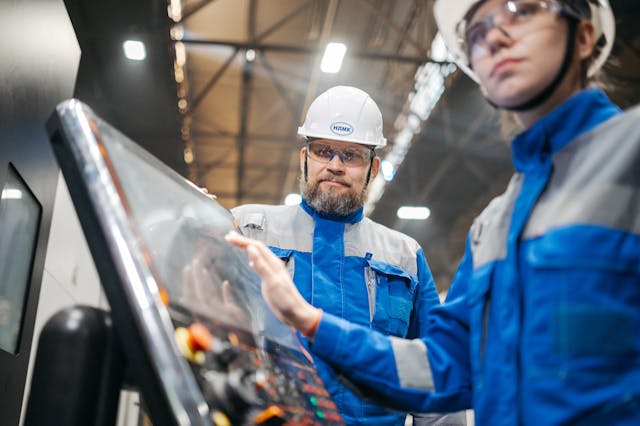
▲ Smart monitoring and low-vibration mining equipment significantly reduce operator fatigue.
4. Best Practices to Minimize Fatigue in Mining Operations
Mining companies seeking long-term improvements in productivity and safety must adopt holistic fatigue-management best practices. A mix of technology, ergonomic design, workforce policies, and operational planning ensures that fatigue is minimized across all stages of the mining cycle.
4.1 Shift Scheduling & Rotation Strategies
Irregular or excessive shifts are among the leading causes of operator fatigue in mining operations. Effective scheduling techniques include:
- Limiting night shift sequences to reduce sleep-cycle disruptions
- Avoiding excessively long continuous work periods
- Implementing micro-break cycles for heavy-equipment operators
- Rotating tasks to avoid repetitive-strain fatigue
When applied consistently, these scheduling practices improve operator alertness and reduce accident risk across the mine site.
4.2 Continuous Operator Training
Training is essential for fatigue management because skilled operators perform tasks more efficiently, with less physical strain. Effective training programs include:
- Ergonomic posture training for long-duration equipment operation
- Vibration-mitigation techniques
- Fatigue-awareness education
- Hands-on machine-control optimization
Mining operations that invest in training see measurable improvements in productivity and operator well-being.
4.3 Real-Time Performance Monitoring
Integrating real-time monitoring systems allows supervisors to evaluate operator performance and detect early fatigue indicators. These systems track:
- Equipment movement patterns
- Idle-time behavior
- Cycle-time variations
- Unexpected machine oscillations
When anomalies are observed, supervisors can intervene promptly, reducing the possibility of accidents caused by fatigue-related cognitive lapses.
4.4 Optimized Workplace Layout
Physical layout also affects fatigue levels. Mines with poor equipment arrangement force operators to spend additional time maneuvering, increasing both physical and mental load. Improvements include:
- Streamlined traffic routes for trucks and loaders
- Well-planned refueling and maintenance zones
- Reduced unnecessary equipment travel
- Dedicated rest areas close to active work zones
These changes reduce operational inefficiencies and help maintain operator alertness throughout long work shifts.

▲ Effective planning and scheduling are vital for minimizing mining-operator fatigue.
5. The Role of Mining Equipment Design in Fatigue Reduction
Engineering improvements in mining equipment play a crucial role in reducing operator fatigue and enhancing safety in demanding mining environments. By integrating advanced ergonomics, improved visibility, and automation, equipment manufacturers help operators remain alert and productive throughout long operational cycles. Modern machine design now focuses on reducing physical strain, cognitive overload, and long-term musculoskeletal stress.
5.1 Improved Operator Visibility
Mining equipment cabins now incorporate panoramic windows, 360° camera systems, and automated proximity detection. These features reduce operator stress by minimizing blind spots and lowering cognitive strain during high-precision tasks. Better visibility supports safer, fatigue-free performance in loading, hauling, drilling, and crushing operations.
5.2 Noise Reduction Technologies
Long-term exposure to excessive noise is a major contributor to operator fatigue. Advanced noise-reduction measures integrated into equipment cabins include:
- Acoustic-absorbing composite cabin structures
- Active noise-cancellation systems
- Sound-insulated engine compartments
- Low-decibel hydraulic systems
Lower noise levels significantly reduce stress and improve long-term operator endurance during extended shifts.
5.3 Autonomous and Semi-Autonomous Control
Autonomous systems dramatically reduce operator workload by automating repetitive or hazardous tasks. Mining trucks, loaders, and drilling rigs equipped with autonomous navigation and load-handling reduce manual strain and enhance productivity. Semi-autonomous controls allow operators to manage complex operations while minimizing physical effort, lowering fatigue levels during 12–14 hour shifts.
6. Case Studies: Successful Fatigue Reduction in Mining Operations
Mining companies worldwide have implemented fatigue-management strategies with measurable improvements in operator well-being, safety, and project output. These case studies demonstrate the effectiveness of technology, ergonomic design, and workforce training.
6.1 Open-Pit Copper Mine – South America
A major copper mine faced rising accident rates due to operator fatigue during overnight shifts. After implementing AI-enabled fatigue-monitoring systems and optimized shift rotations, the mine reported:
- 37% reduction in fatigue-related incidents
- 22% improvement in equipment operating precision
- Lower turnover rate among heavy-equipment operators
6.2 Iron Ore Mine – Australia
This operation integrated semi-autonomous haul trucks and real-time operator-alert systems. Within six months, the company recorded:
- 48% reduction in operator fatigue symptoms
- 12% increase in haul-truck cycle consistency
- Stronger compliance with safety management plans
6.3 Underground Gold Mine – Africa
Due to long travel distances and challenging conditions, underground truck operators suffered from severe fatigue. Ergonomic seating, low-vibration designs, and improved ventilation dramatically reduced operator stress. The result:
- 30% lower physical-fatigue reports
- Higher monitoring accuracy in deep haulage tunnels
- Longer operating endurance without performance decline
7. Future Trends in Mining Fatigue Management
As digitalization and automation accelerate across the mining industry, the next generation of fatigue-management systems will transform workforce safety and operational performance. Future technologies will further minimize cognitive and physical load while enabling operators to work smarter, longer, and more efficiently.
7.1 Predictive Analytics for Fatigue Forecasting
Future monitoring systems will use machine learning to predict fatigue hours before symptoms arise. By analyzing patterns in machine operation, sleep data, heart rate variability, and eye-movement signals, mines can intervene proactively.
7.2 Fully Autonomous Haulage Systems
Autonomous trucks will reduce the need for cabin-based operators entirely, eliminating risks associated with repetitive tasks and long shifts. Several large mining corporations have already begun deploying next-generation autonomous fleets.
7.3 Wearable Fatigue Sensors
Smart wristbands, chest-mounted biomonitors, and connected safety helmets will allow continuous tracking of:
- Heart rate variability
- Cognitive alertness
- Reaction time
- Muscle tension
These wearables will integrate with centralized monitoring dashboards, giving supervisors real-time visibility into operator fatigue risk.
7.4 Enhanced Virtual Training Environments
VR-based training will simulate high-pressure operating environments, enabling operators to practice fatigue-resistant control techniques. This next-generation training reduces fatigue-related errors and improves overall machine-handling proficiency.
Mining Equipment Solutions from Changyi Mining
To support safer operations and reduce operator fatigue, Changyi Mining provides advanced, ergonomically designed mining machines. Explore the following products:
- High-Efficiency Vibrating Feeder
- Jaw Crusher for Primary Crushing
- High-Performance Impact Crusher
- Cone Crusher for Hard Rock Applications
- Industrial Screening & Classification Machine
Conclusion
Reducing operator fatigue in mining operations is no longer optional—it is a core requirement for modern, safe, and productive mines. Companies that adopt ergonomic equipment, advanced monitoring systems, optimized scheduling, and intelligent training programs experience measurable improvements in operator safety and overall profitability. The future of fatigue-free mining depends on continuous technological advancement, smarter machine design, and a strong operational commitment to workforce well-being. By integrating these principles, the mining industry will move toward a safer, more efficient, and more sustainable future.