Screening Equipment Guide: Vibrating, Trommel, or Multi-layer?
Screening Equipment Guide: Vibrating, Trommel, or Multi-layer?
Introduction
Efficient material classification is critical in the mining and construction industries. Whether you're dealing with aggregates, coal, or mineral ores, choosing the right screening equipment impacts your operation's output, quality, and efficiency. This guide will compare the most popular machines—vibrating screens, trommel screens, and multi-layer screening machines—to help you make the best choice.
What Is Screening Equipment?
Screening machines are used to separate particles based on size, moisture, or shape. They're essential for quality control in crushing and grinding processes. The goal is to ensure only the right-sized material progresses to the next stage, reducing energy consumption and increasing product value.
Types of Screening Equipment
1. Vibrating Screen
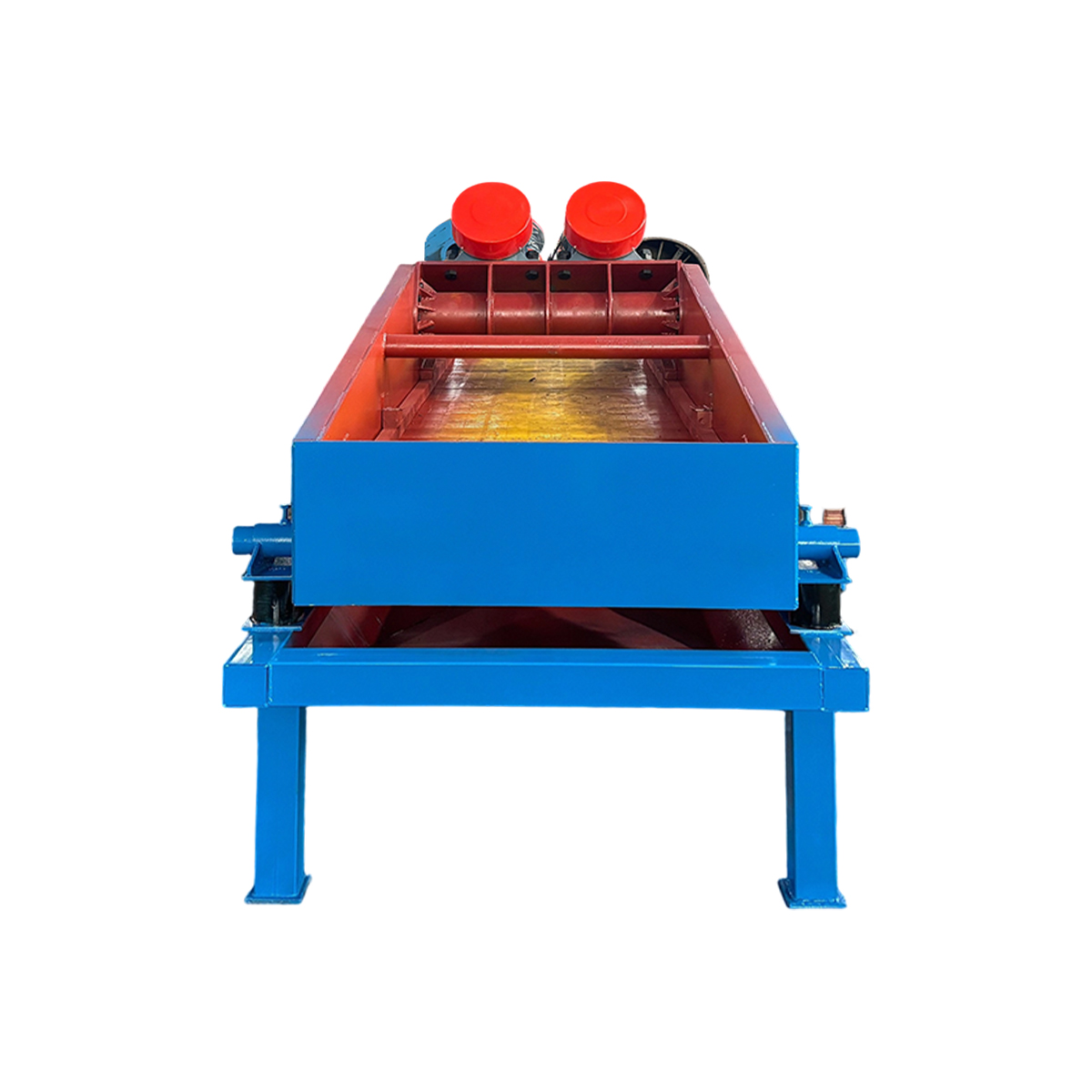
Vibrating screens use a vibrating motor or mechanical drive to toss material across one or more layers of mesh. The screen vibrates at high frequencies, helping separate finer particles more efficiently.
Best for: Sand, gravel, crushed rock, ores
🔗 Explore our Vibrating Screen Models
2. Trommel Screen
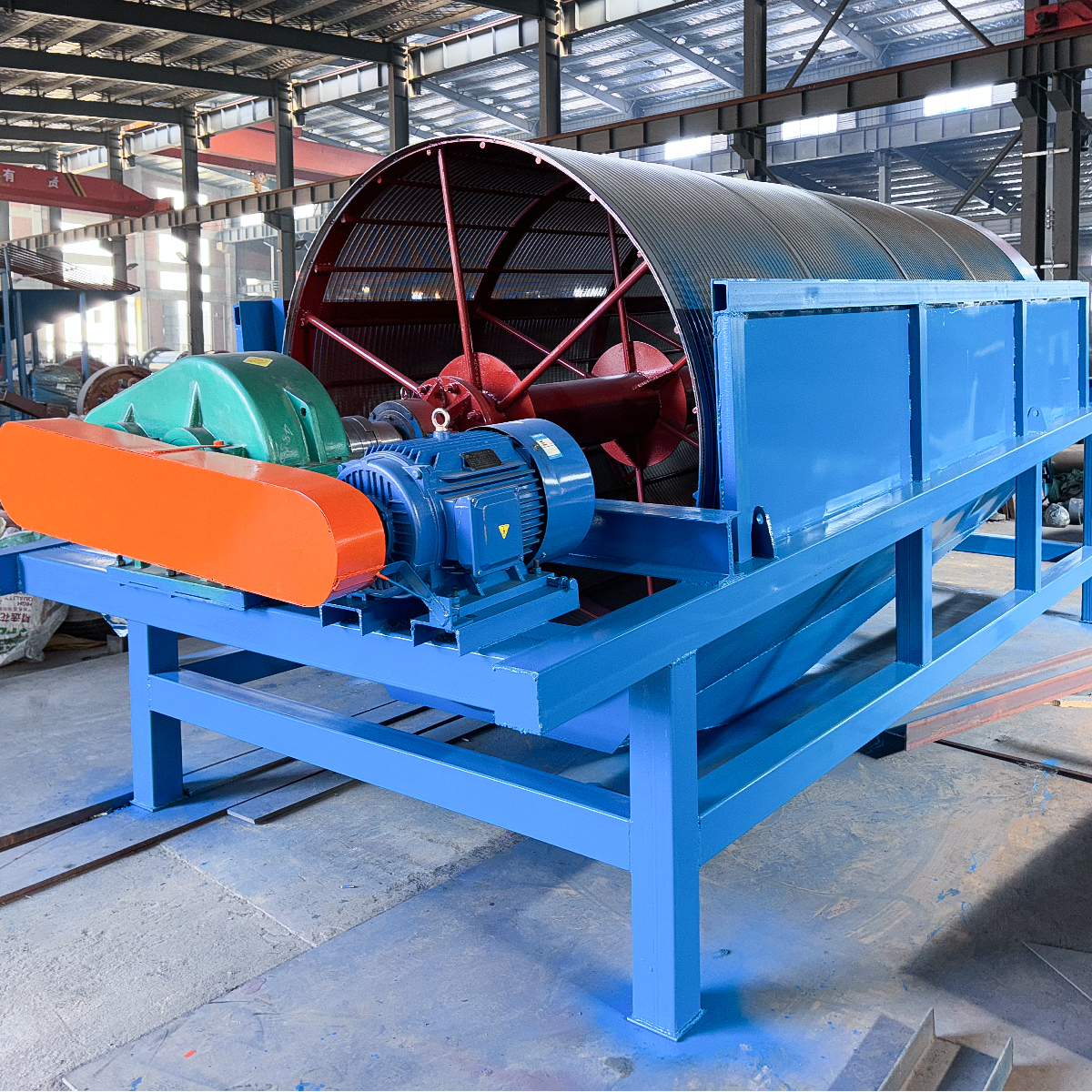
Trommel screens are cylindrical drums with holes that rotate to separate materials. They're excellent for wet, sticky, or irregular-shaped feed materials.
Best for: Compost, topsoil, coal, wet clay
🔗 See Trommel Screening Applications
3. Multi-layer Screening Machine
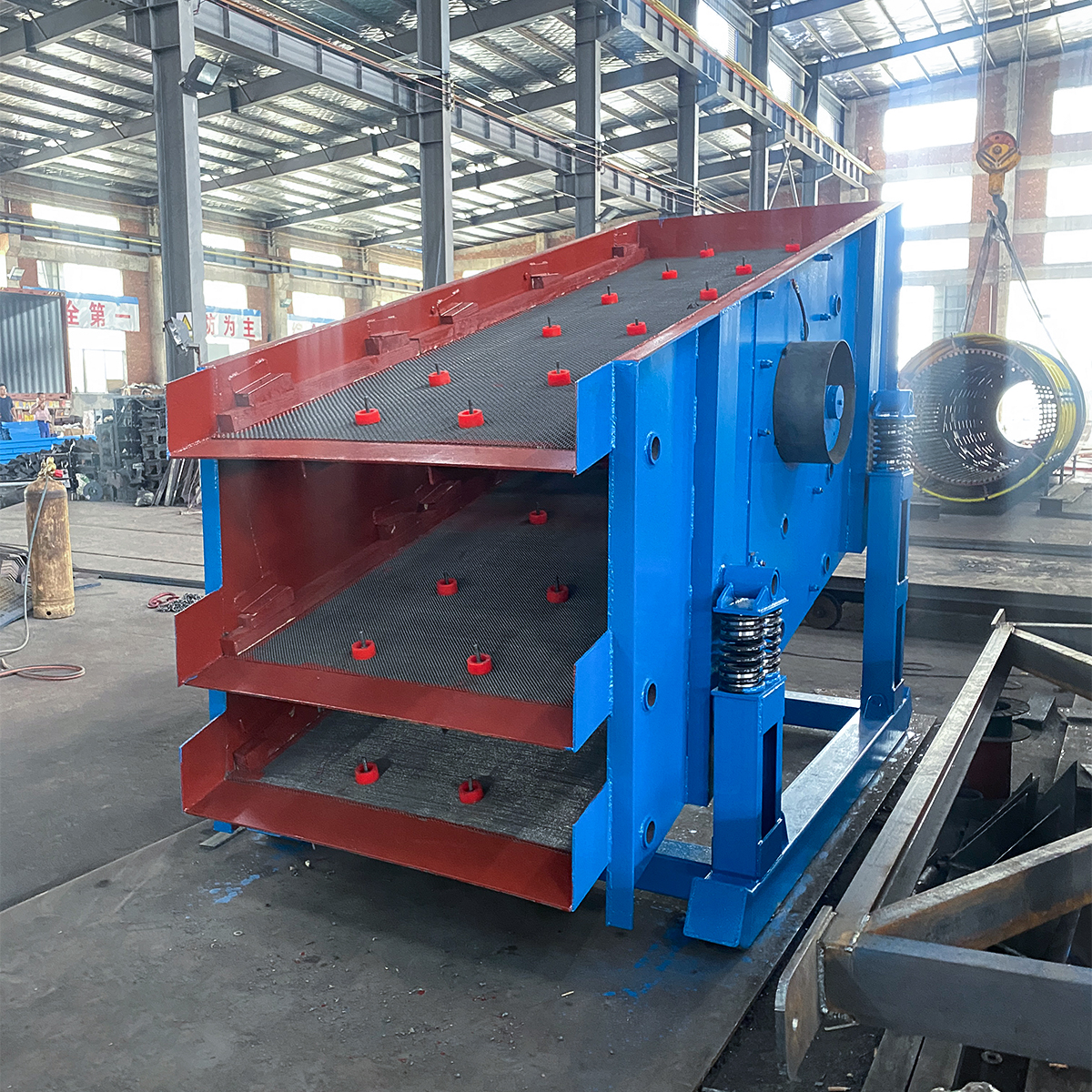
Multi-deck or multi-layer screens allow simultaneous separation into multiple fractions in a single pass. Each layer has a different mesh size.
Best for: Industrial sand, fertilizers, complex mineral gradations
🔗 Discover Multi-layer Screens for Fine Classification
Comparison of Vibrating vs. Trommel vs. Multi-layer Screens
| Feature | Vibrating Screen | Trommel Screen | Multi-layer Screen |
|---|---|---|---|
| Material Type | Dry, abrasive | Wet, sticky, organic | Dry, fine, complex |
| Maintenance | Moderate | Low | High |
| Output Size Control | Good | Moderate | Excellent (multi-grade) |
| Installation Area | Compact | Large footprint | Moderate |
Application Scenarios
- Mining and mineral separation
- Sand and gravel classification
- Recycled aggregate screening
- Composting and biomass processing
- Chemical and fertilizer screening
🔗 Learn How Screening Boosts Mining Efficiency
How to Select the Right Screen
- Material Characteristics: Moisture content, size distribution, abrasiveness
- Required Final Products: Number of fractions and particle sizes
- Processing Volume: Tons per hour (TPH)
- Environmental Conditions: Dust, water exposure, noise regulations
- Maintenance Capability: Availability of skilled technicians
Conclusion & CTA
Choosing the correct screening machine—whether it's a vibrating screen, trommel screen, or multi-layer screener—depends on your material type, output goals, and operational conditions. Investing in the right screen improves efficiency, product quality, and profit margins.
📩 Ready to Upgrade Your Screening Process?
Contact us today to get a customized equipment recommendation.
🔍 Browse All Screening and Crushing Equipment
Related Articles
Related Equipment
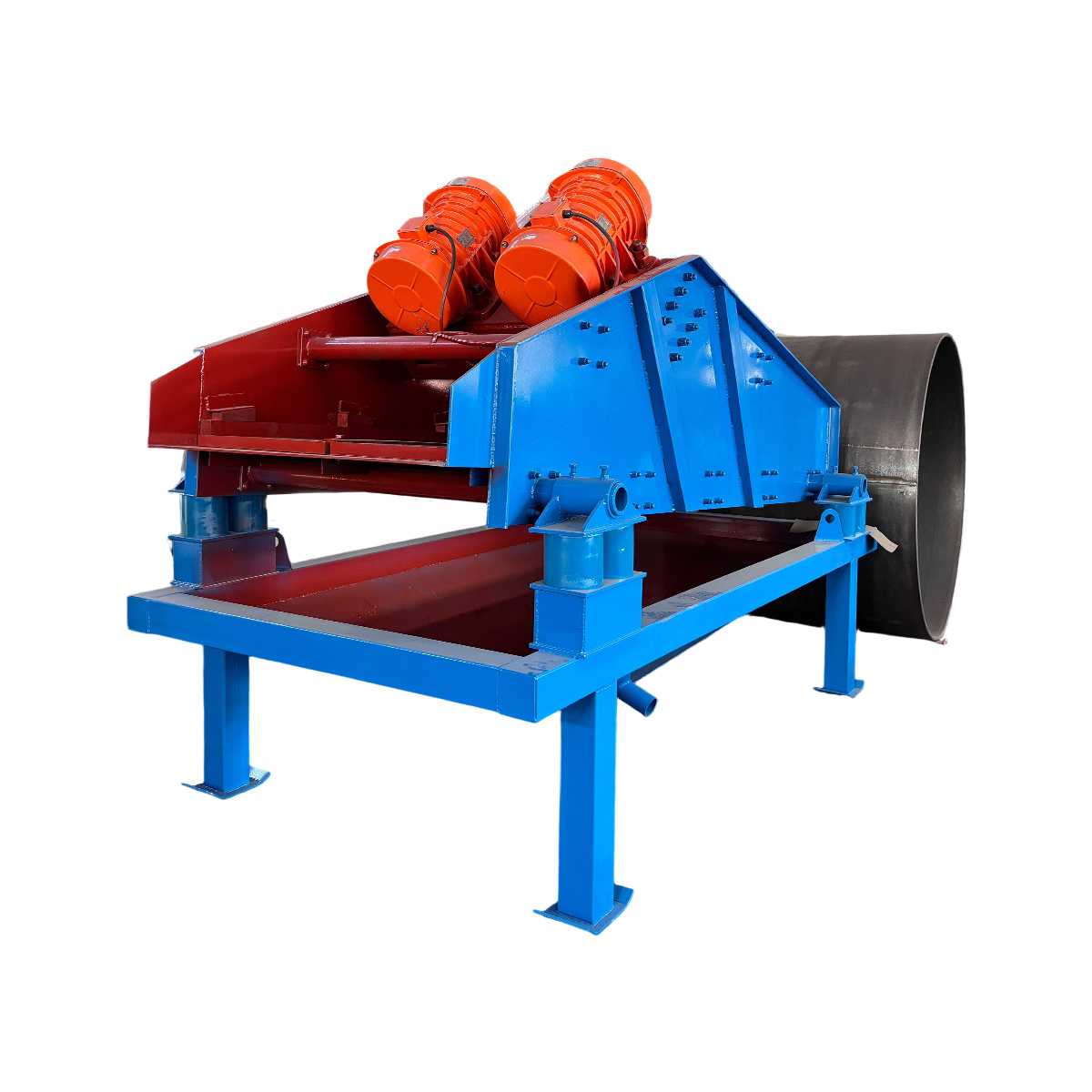
Linear Vibrating Screen
Model Layers Screen Mesh (mm) Feeding Size (mm) Capacity (t/h) Double Breadth (mm) Vibrating Direction Angle ( ) Power (kw) ZKB0936 1 0.25-50100 4-40 6-8 45 2.2x2 2ZKB1020 2 0.25-50100 4-50 6-8 45 3x2 ZKB1025 1 0.25-50100 4-50 6-8 45 3x2 ZKB1225 1 0.25-50100 9-80 6-8 45 4x24x2 ZKB1236 1 0.25-50100 9-100 6-8 45 5.5x2 2ZKB1236 2 0.25-50100 9-100 6-8 45 5.5x2 2ZKB1437 2 0.25-50100 12-150 8-10 45 7.5x2 ZKB1542 1 0.25-50100 12-160 8-10 45 11x2 ZKB1836 1 0.25-50300 16-260 8-10 45 15x2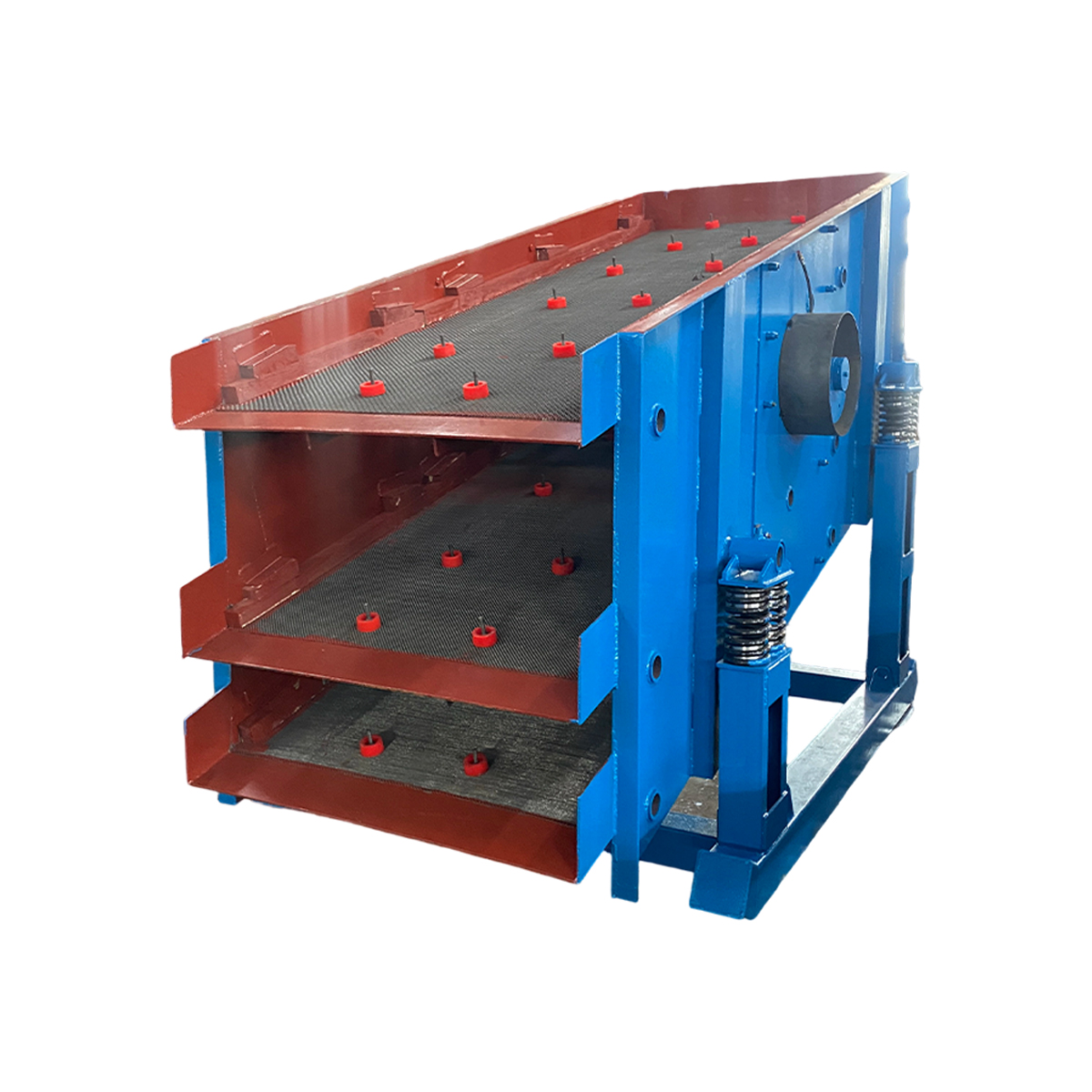
Circular Vibrating Screen
Looking to buy a circular vibrating screen? Our high-efficiency vibrating screens are perfect for mining, coal, construction, and chemical industries. Durable, low-maintenance, and custom solutions available.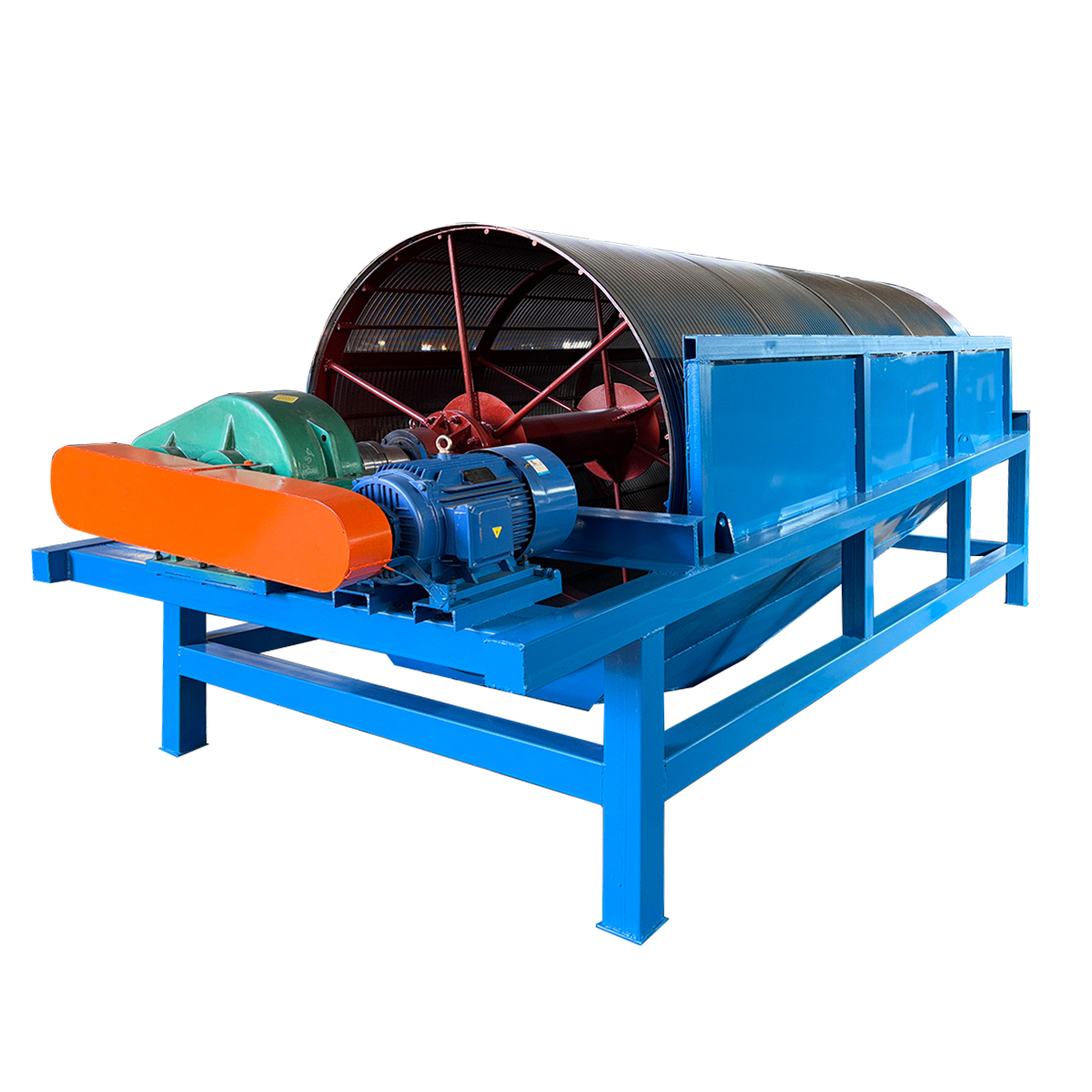
Trommel screen
The Trommel Screen is a highly efficient rotary screening machine used for sorting materials in industries like mining, metallurgy, and construction. Ideal for bulk material classification.