In mineral processing, keeping your flotation circuit running smoothly is make-or-break. Pick the wrong equipment, and you'll watch your production metrics tank.
Today, let's break down what copper-zinc operations need to think about when choosing flotation machines. Do your homework on your ore characteristics and production needs before you sign any purchase orders—that's how you make smart calls.
Copper-zinc ores aren't your run-of-the-mill single-metal rocks. They're complex, intergrown beasts where copper and zinc minerals are tightly locked together, often hanging out with pyrite and gangue. Getting decent concentrates means pulling off a clean copper-zinc split—one of the trickiest challenges in the beneficiation game.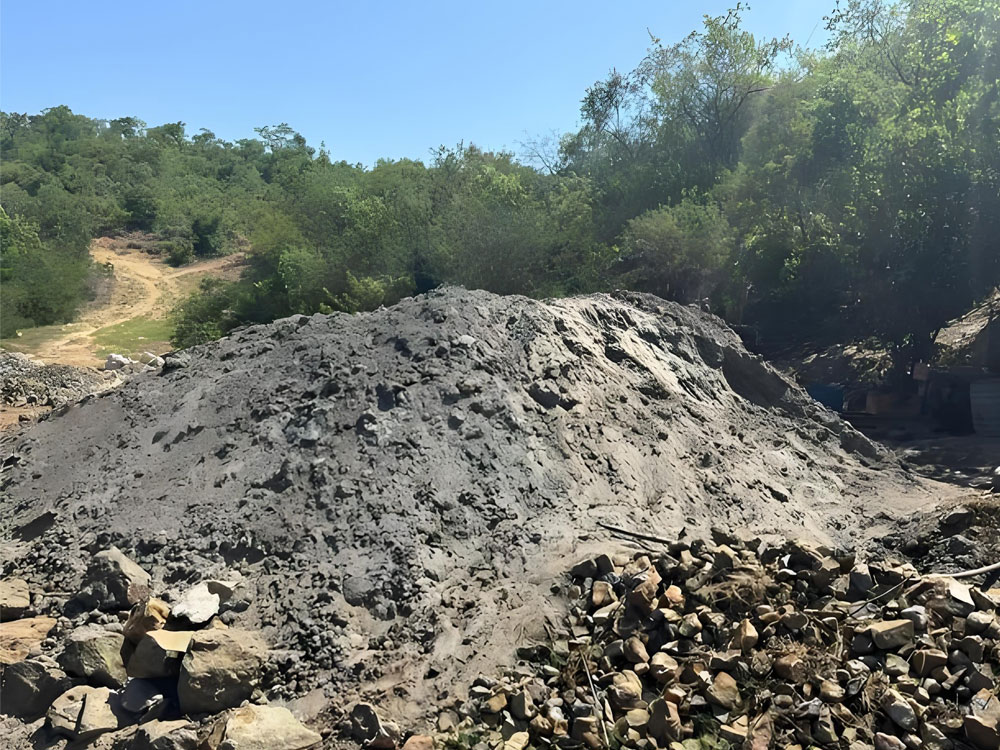
Most plants run a preferential flotation flowsheet: copper first, then zinc. Those two stages have wildly different demands on aeration, agitation intensity, and slurry stability.
Generic, one-size-fits-all flotation machines struggle with this kind of staged processing. That's why plenty of plants have perfectly sound flowsheets on paper but can't move the needle on metal recovery—their equipment just isn't up to the task.
Too many operations pick flotation gear by copying what the guy down the road is running, or by chasing the lowest price tag. That's a recipe for headaches.
Grain size is your number-one consideration. Coarse, well-liberated copper-zinc minerals? You want a machine with serious agitation muscle and heavy aeration to rip those minerals loose and push throughput. But if you're dealing with fine or ultra-fine dissemination, those lightweight particles are prone to slipping away. You need gentler agitation and a calm liquor surface—hammering them with aggressive mixing just scatters your valuable fines.
Slime is another killer. High-slime ores coat mineral surfaces, wreck reagent adsorption, and drag down flotation performance. For these, prioritize machines with strong slurry circulation, even aeration, and minimal dead zones to keep slime from building up. Hard, low-slime primary ores are more forgiving—you can go with rugged mechanical agitation units built for the long haul.
There's no universal flotation machine.
| Plant Scale | Recommended Approach |
|---|---|
| Few hundred tons/day | Compact SF or XJK units — lower capex, simpler upkeep |
| 1,000+ tons/day | Large-capacity cells in tandem — keep the line moving without choking |
Roughing and scavenging are about bulk recovery—you want aggressive agitation and strong aeration to grab everything loose. Cleaning is a different ballgame: you need stable operation, consistent froth, and precise level control to keep gangue out of your concentrate. These stages need different machines. Don't mix and match casually.
The old workhorses. Simple, reliable, easy to source parts for, and easier on the budget upfront. They've got plenty of agitation punch and steady aeration, making them solid for roughing and scavenging in smaller operations.
Downsides: Energy hogs, limited froth control, struggle with high-precision cleaning. Best for straightforward ores and tight budgets.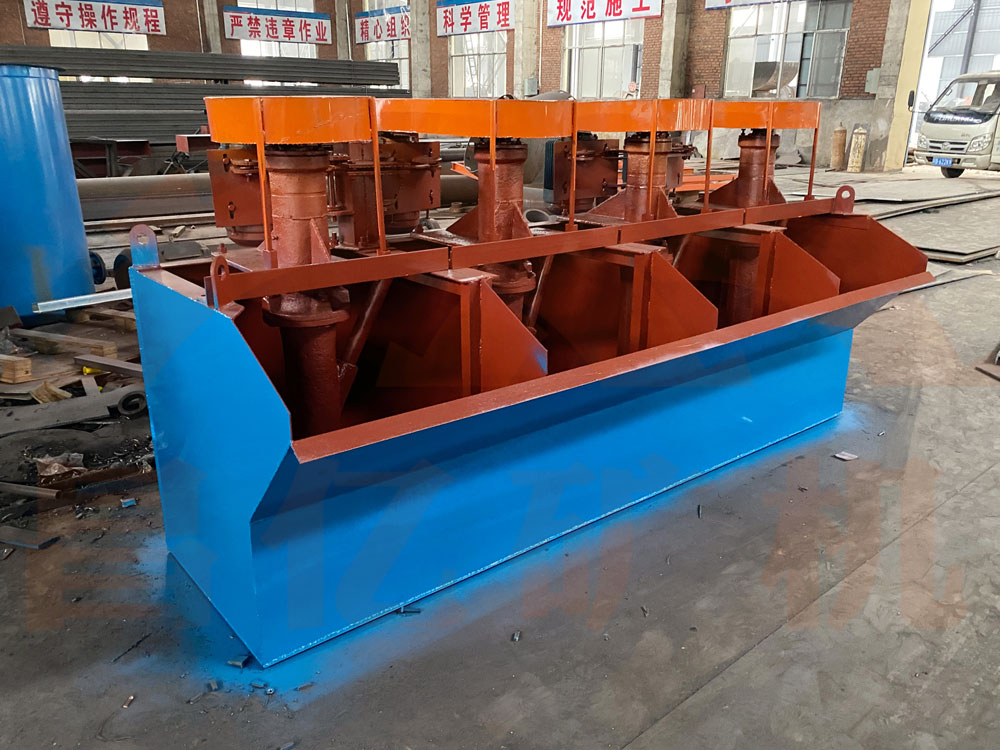
Probably the most versatile option in copper-zinc beneficiation right now. Optimized slurry circulation design that mixes evenly without churning, maintains a stable liquor surface, and keeps settling and runaway ore to a minimum—all while using less juice than the old XJKs.
They handle coarse or fine grains, high or low slime, roughing or cleaning. For most small to mid-sized copper-zinc operations, the SF should be at the top of your shortlist.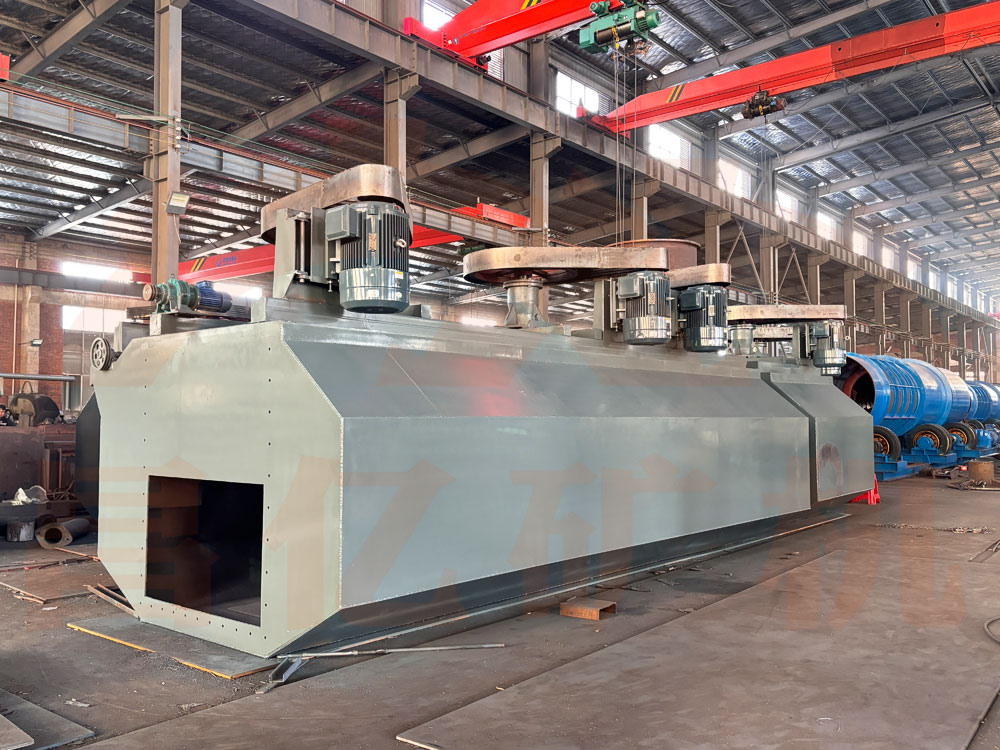
The big-league energy-savers. Large tank volumes, solid automation integration, lower power draw, and improved aeration uniformity make them excellent for copper-zinc separation in high-throughput, continuous operations.
The catch? Higher upfront cost. Smaller plants don't really need that kind of firepower.
Most selection mistakes come from cutting corners. Here's how to stay out of trouble:
There's no "best" flotation machine—only the right one for your ore, your throughput, and your flowsheet. Understand your mineralization, match your scale, respect the differences between roughing and cleaning, and you'll protect your grades, your recovery, and your bottom line.
Q: What should small to mid-sized copper-zinc operations look at?
Start with the SF. It's versatile, stable, and easy to maintain. If your ore is simple and your budget is tight, the XJK is a reasonable backup.
Q: What about finely disseminated ores?
Go with SF or smaller JJF cells that offer stable liquor levels and gentler agitation. You want to keep those fine particles from getting scattered and lost.
Q: High-slime ores?
Focus on slurry circulation and anti-settling performance. You need even aeration and minimal dead zones to keep slime from smothering your minerals.
Q: What's the real cost of a bad match?
Lower grades, lower recovery, higher energy bills, faster wear, and capped throughput. It hits your wallet from every angle.
