How Mineral Processing Works: The 3 Core Stages Explained
Pick up a hunk of raw ore—whether it’s tungsten, tin, or standard iron—and ask yourself: how does this heavy, dirty rock turn into the gleaming metal feedstock at a smelter?
The answer is mineral processing.
Don't let the jargon intimidate you. It’s not black magic. At its core, it’s a three-step relay race:
- Prep: Getting the rock ready.
- Separation: Extracting the good stuff.
- Dewatering: Drying it out for shipping.
Miss a baton pass in this race, and the whole operation tanks. Let’s break down the fundamentals.
What is Mineral Processing, and Why Should We Care?
Let’s cut to the chase. Mineral processing is simply divorcing the valuable minerals from the worthless rock (the gangue).
Mother Nature is generous, but she’s also lazy. She rarely serves up pure ore on a silver platter; she mixes the good stuff with garbage. If you shove raw ore straight into a furnace, you’ll burn through a fortune in energy and bleed cash.
The goal of mineral processing is to boost the grade of the valuable stuff and ditch the impurities. It’s the only way to feed a smelter properly, and frankly, it’s the cash cow that keeps a mining company in business.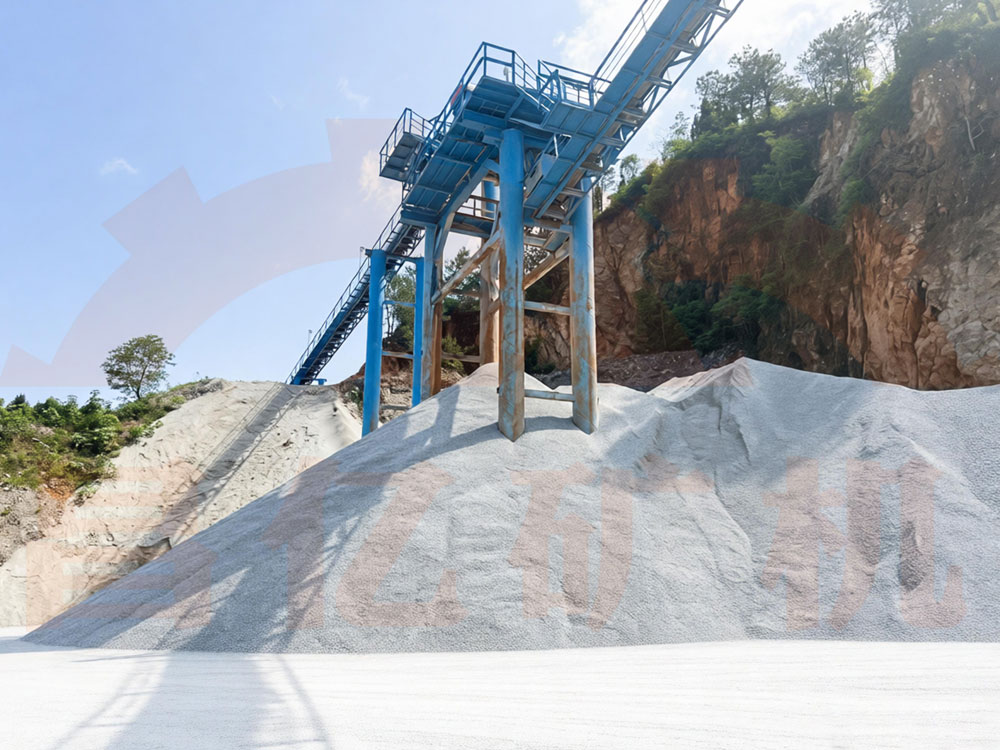
The Core Formula: A Three-Stage Loop
Burn this into your brain:
Prep + Separation + Dewatering = A Complete Mill Circuit
Each stage has a strict job:
- Prep: Shrink the rocks.
- Separation: Isolate the valuables.
- Dewatering: Squeeze out the water so you can actually haul it.
Makes sense, right? Let’s pop the hood.
Stage 1: Prep Work (Comminution)
Why Crush and Grind? It’s All About Liberation
You can’t toss a boulder of gold-bearing granite into a flotation cell and expect miracles. You have to break it down.
The industry calls this "comminution," and the only metric that matters here is liberation. Liberation means physically breaking the rock until the valuable minerals and the gangue are completely separate, individual particles. If they’re still glued together, your separation process will fail, and your concentrate will be garbage.
Crushing and Screening
Raw ore straight from the pit is massive. Enter the crushers.
We usually run this in stages: primary, secondary, and tertiary. Jaw crushers and cone crushers use brute force and impact to chew half-meter boulders down to pea-sized gravel.
Right behind the crushers are screens. They let the properly sized material pass through, while kicking the oversized chunks back to the crusher for another beating. This closed-loop screening saves power and prevents over-crushing.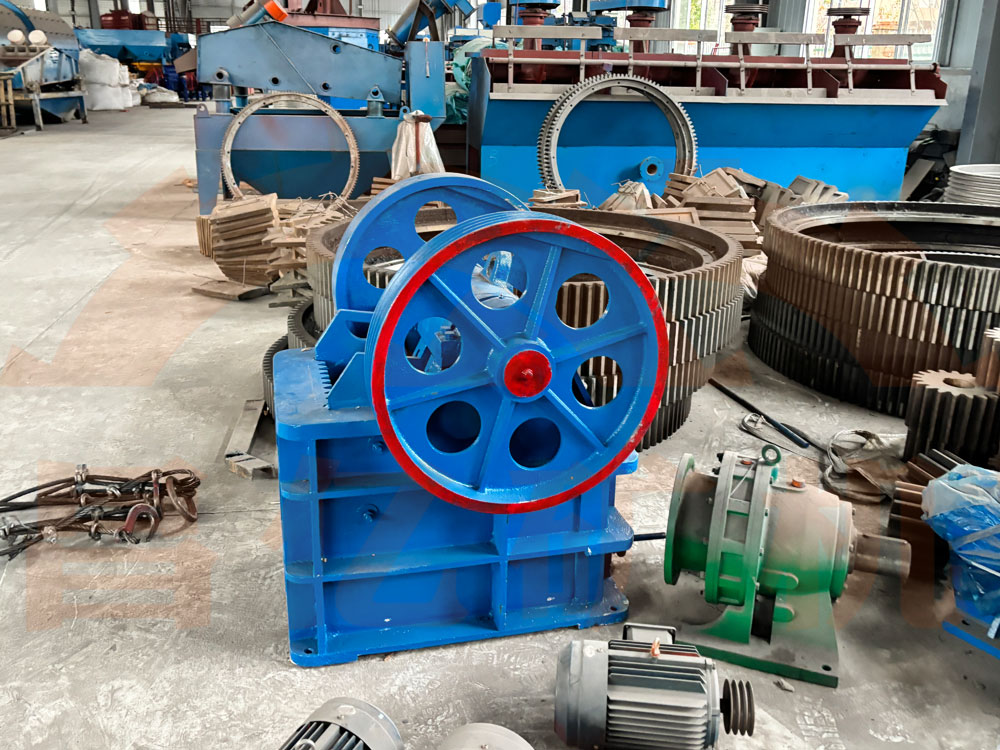
Grinding and Classification
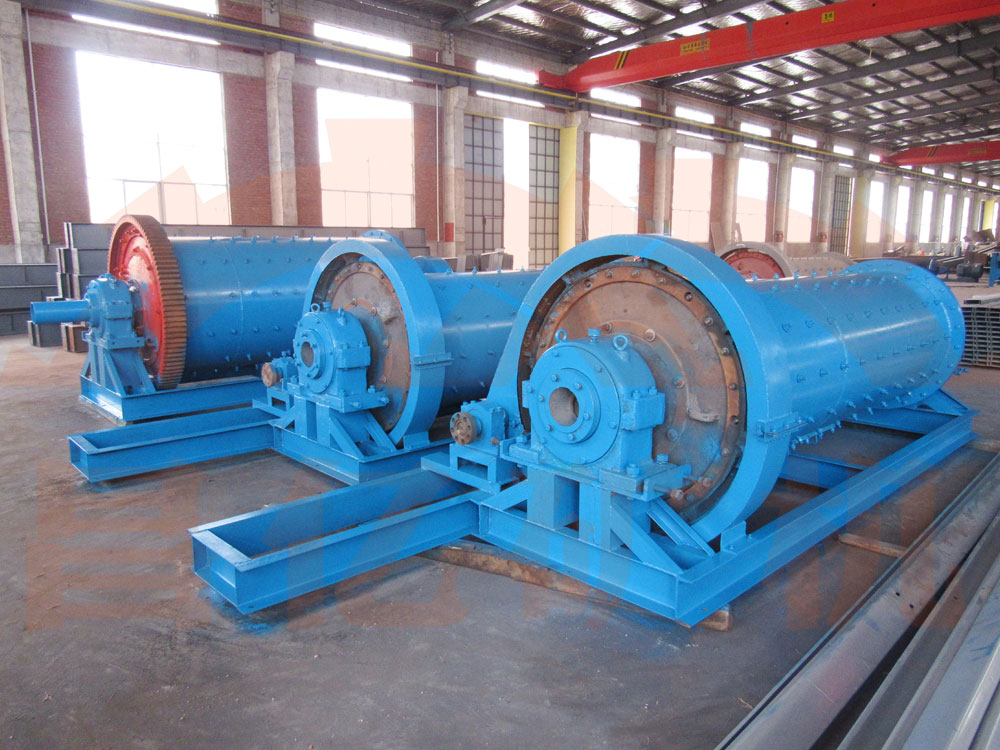
Crushed rock still isn't fine enough. Now it’s time for the ball mills or rod mills. Steel balls tumble inside these massive cylinders, pulverizing the rock into a fine sand or mud. This is where true liberation happens. Every valuable mineral particle needs to be exposed and free.
The Secret of Closed-Circuit Grinding
Grinding doesn't happen in a vacuum. Mills are paired with classifiers (like hydrocyclones or spiral classifiers) in a "closed circuit." The ground slurry hits the classifier. The fine, liberated stuff moves on to separation. The coarse, unliberated chunks get routed back to the mill for regrinding. It’s an automatic QA system. Nothing moves to the next stage until it’s perfectly sized.
Stage 2: Separation – The Heart of the Operation
Playing to the Minerals' Strengths
Once the minerals are liberated, it’s time to separate them. This is where the real chemistry and physics happen.
There is no one-size-fits-all method. You have to play to the ore's specific physical and chemical quirks. Take a tungsten plant here in Ganzhou, China, for example. They’ll usually hit it with gravity separation first to pull out the coarse tungsten. Then they’ll use flotation for the fine-grained companion minerals, and finish with magnetic separation to strip out iron impurities.
Stacking the right methods maximizes recovery and keeps the concentrate grade high.
The Big Three: Flotation, Gravity, and Magnetic Separation
- Gravity Separation: It’s basic physics. Heavy stuff sinks, light stuff washes away. Just like panning for gold.
- Magnetic Separation: Self-explanatory. Magnets pull out the magnetic minerals; the rest stays behind.
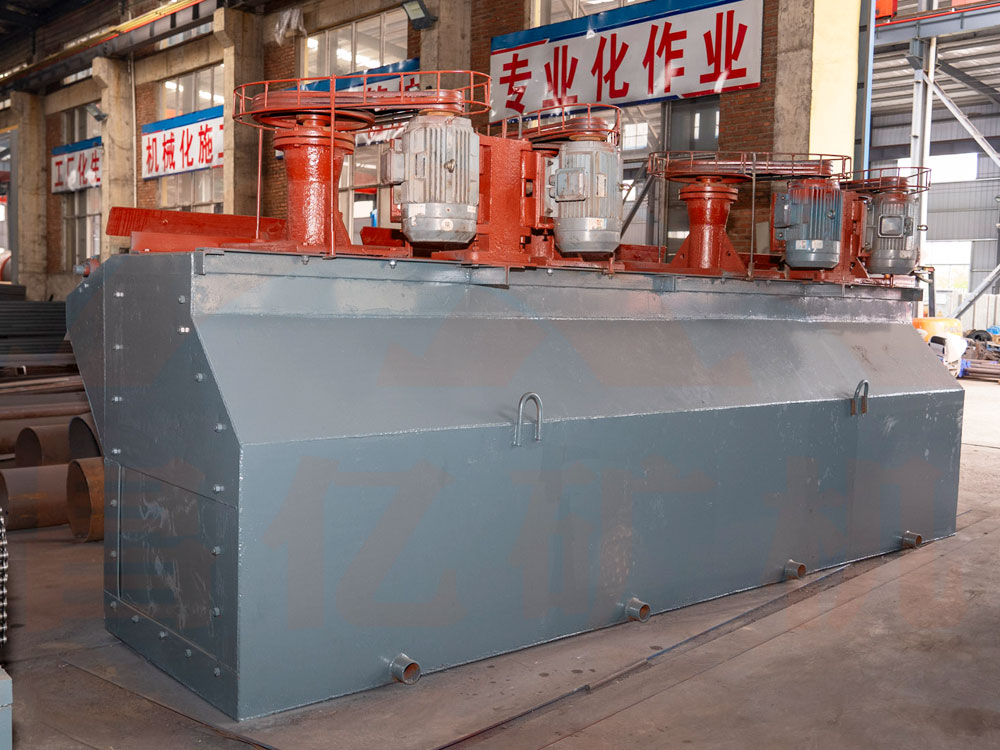
- Flotation: The workhorse of the industry. We add specific chemicals to make the valuable minerals hydrophobic (water-repelling). They latch onto air bubbles and float to the top as froth, while the worthless gangue sinks to the bottom.
Stage 3: Dewatering
Why Bother Drying It Out?
After separation, you’ve got your concentrate. But it’s a watery slurry. You can’t load soup onto a dump truck and sell it. Dewatering is mandatory. It removes the water so the product can be stored, shipped, and sold.
The Dewatering Trilogy
You don't dry it all at once. You do it in stages:
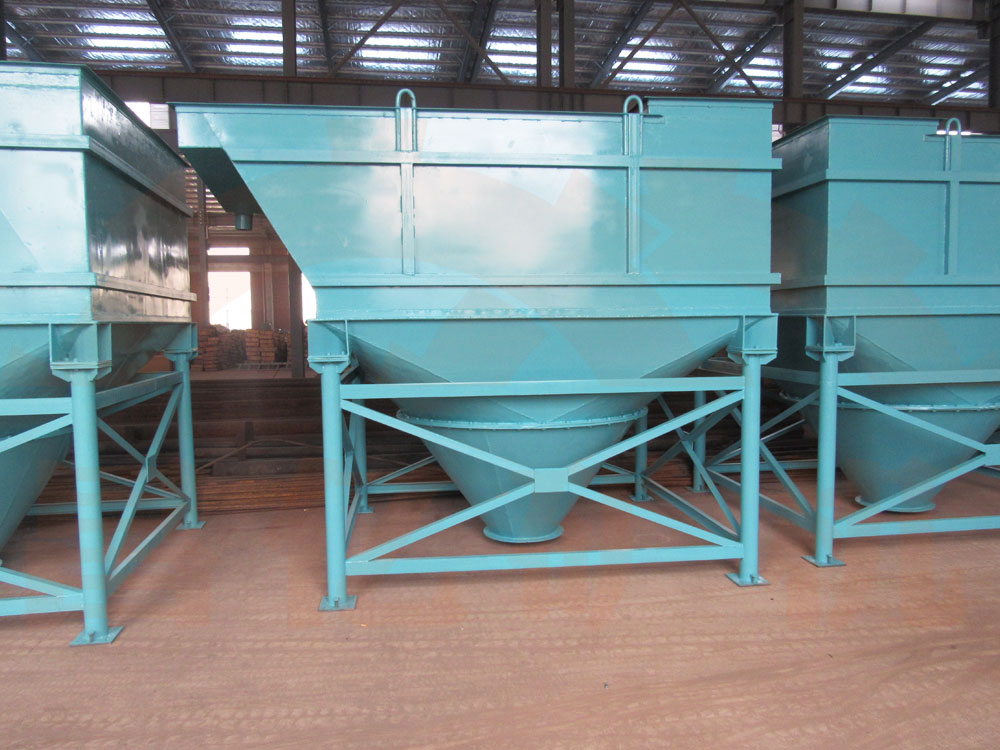
- Thickening: First, we use a thickener. Gravity does the heavy lifting here, letting solids settle to the bottom. The clear water overflows and gets recycled. This cheap, low-energy step bumps the solids concentration from a few percent up to 30-40%, making the next steps way more efficient.
- Filtration: Thickened slurry is still too wet. Filter presses or vacuum filters apply pressure to squeeze the remaining water through filter cloths. What comes out is a solid "filter cake." This drops moisture to about 10%, which is usually good enough for shipping.
- Drying: Only if a buyer demands bone-dry product (like for export or specialty non-metals) do we use thermal dryers to bake the moisture below 5%. But heat is expensive. Unless the contract demands it, smart operators skip this step to protect their margins.
The Bottom Line: It’s All About Synergy
Look at the big picture. The logic is bulletproof:
- Prep the rock to liberate the minerals.
- Separate the valuables from the waste.
- Dry the product for the market.
These three stages are a locked chain. Skip one, and the whole operation falls apart. Master this fundamental logic, and you can look at any ore body and design a viable processing flowsheet. Stop blindly copying other people's mills and start thinking like an engineer.
FAQ
1. Can small mills skip screening and just dump crushed rock into the grinder?
Don't do it. Skipping screens overloads your mill, spikes your power bill by 30%+, and causes over-grinding. You’ll destroy your recovery rates and bleed cash in the long run.
2. Does every ore need grinding?
Nope. If the valuable minerals are coarse and easily liberated, crushing might be enough. But for most fine-grained, disseminated ores, grinding is non-negotiable.
3. Does adding more separation stages always mean a higher grade?
Hell no. Every extra stage is another chance to lose valuable minerals and burn operating cash. The optimal flowsheet is about the right combination, not the most combinations.
4. If I grind it finer, won't my recovery go up?
Wrong. Grind just fine enough to achieve liberation. Over-grinding creates ultra-fine slime that is practically impossible to recover. You’ll just flush your profits down the drain.
5. What about the environment?
The industry is getting greener. Between better chemicals, dry tailings stacking, and zero-discharge water systems, modern mills are drastically cutting their environmental footprint and finding ways to repurpose waste. We're cleaning up our act.
Related Articles
Related Equipment
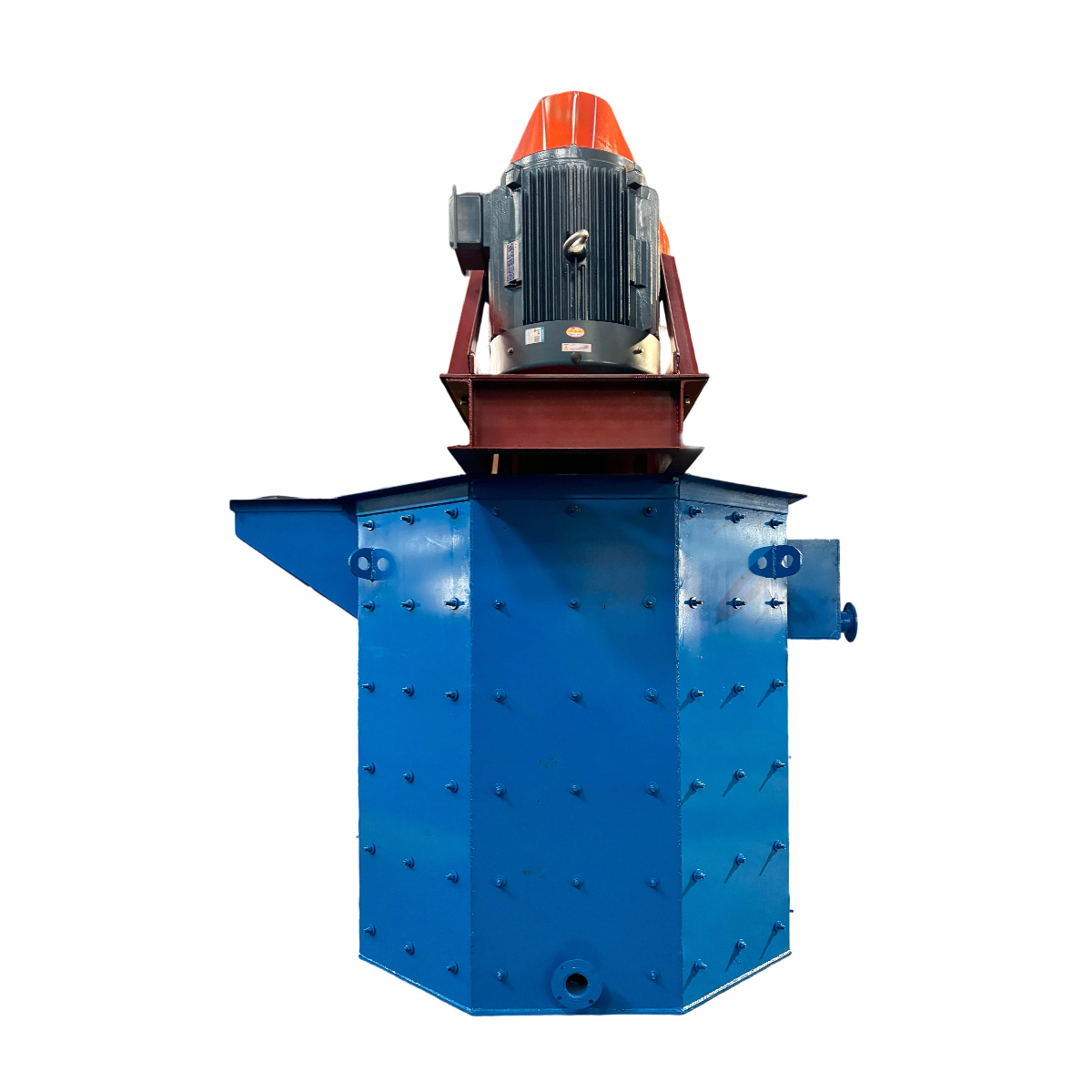
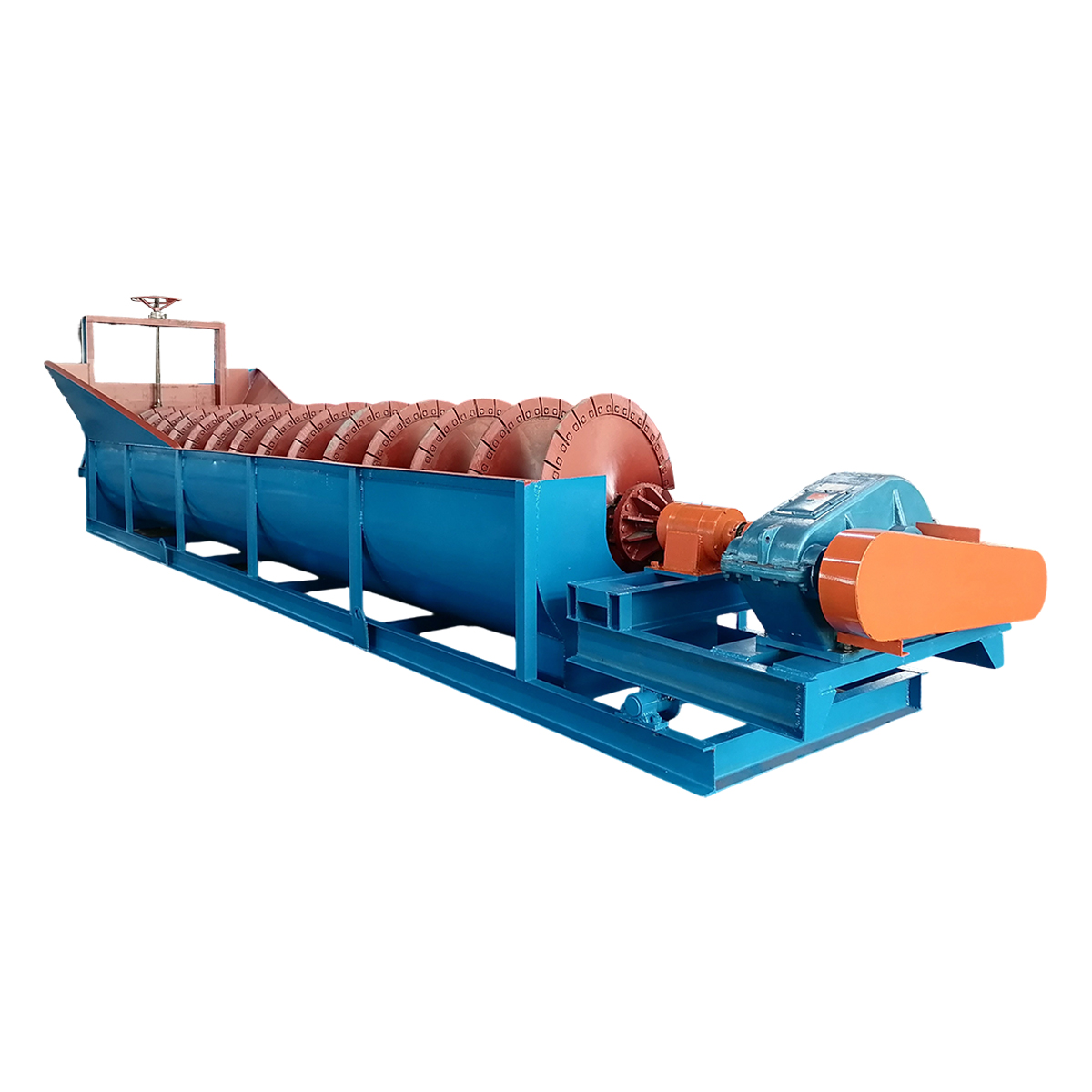
Scrubbing Machine
The Scrubbing Machine provides high-efficiency cleaning and desliming for ores. It improves ore grade, removes impurities, and increases the efficiency of subsequent beneficiation processes.