
Vibrating Screen Selection Guide for Mining Plants: Engineering Criteria, System Matching & Cost Optimization
Vibrating Screen Selection Guide for Mining Plants: Engineering Criteria, System Matching & Cost Optimization
In modern mining crushing and screening plants, the vibrating screen is not merely a classification device, but a critical control point that directly determines system capacity, product quality, and operational stability.
Improper selection of a vibrating screen often leads to:
- Production bottlenecks
- Uneven crusher loading
- Excessive wear and maintenance cost
- Low screening efficiency and poor product gradation
This article provides an engineering-based vibrating screen selection guide for mining plants, focusing on process requirements, system matching, and lifecycle cost considerations rather than isolated equipment parameters.
Table of Contents
- 1. Role of Vibrating Screens in Mining Plants
- 2. Main Types of Vibrating Screens Used in Mining
- 3. Process-Based Selection Criteria
- 4. Capacity Matching and Screening Efficiency
- 5. Matching Vibrating Screens with Crushers
- 6. Material Characteristics and Their Impact on Selection
- 7. Lifecycle Cost and Maintenance Considerations
- 8. EPC-Oriented Selection Strategy
- 9. Conclusion
1. Role of Vibrating Screens in Mining Plants
In a mining plant, vibrating screens serve as the process regulators between crushing stages. Their primary functions include:
- Controlling feed size for downstream crushers
- Separating qualified products from recirculating material
- Stabilizing system throughput
- Protecting crushers from oversize or fine overload
Unlike crushers, which reduce particle size, vibrating screens define the efficiency of size reduction. A well-selected screen improves crusher performance, while a poorly selected screen limits the entire plant output.
2. Main Types of Vibrating Screens Used in Mining
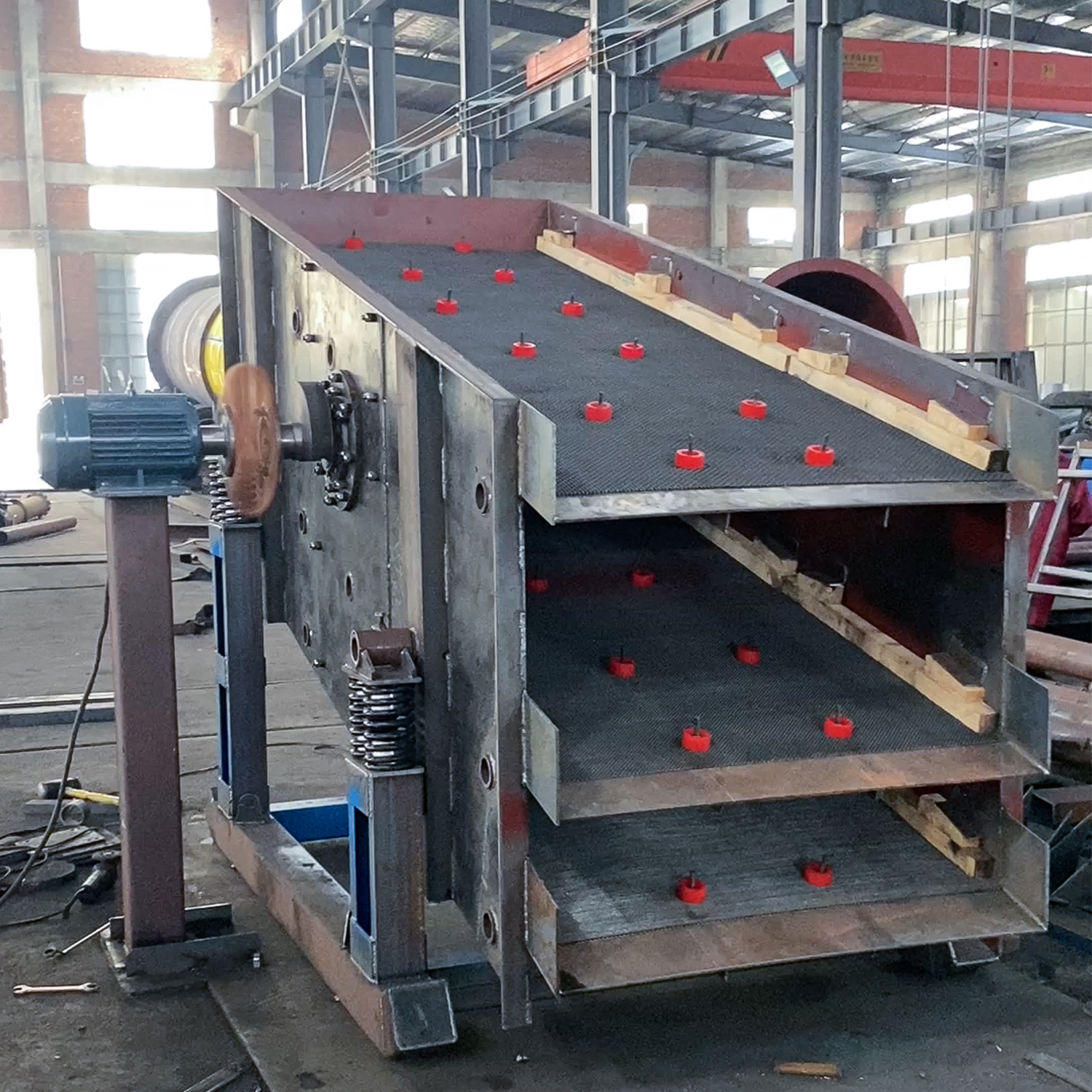
2.1 Circular Vibrating Screens
Circular vibrating screens are widely used in mining and aggregate plants due to their:
- High capacity
- Strong stratification ability
- Robust mechanical structure
They are typically installed in primary and secondary screening stages after jaw crushers or cone crushers.
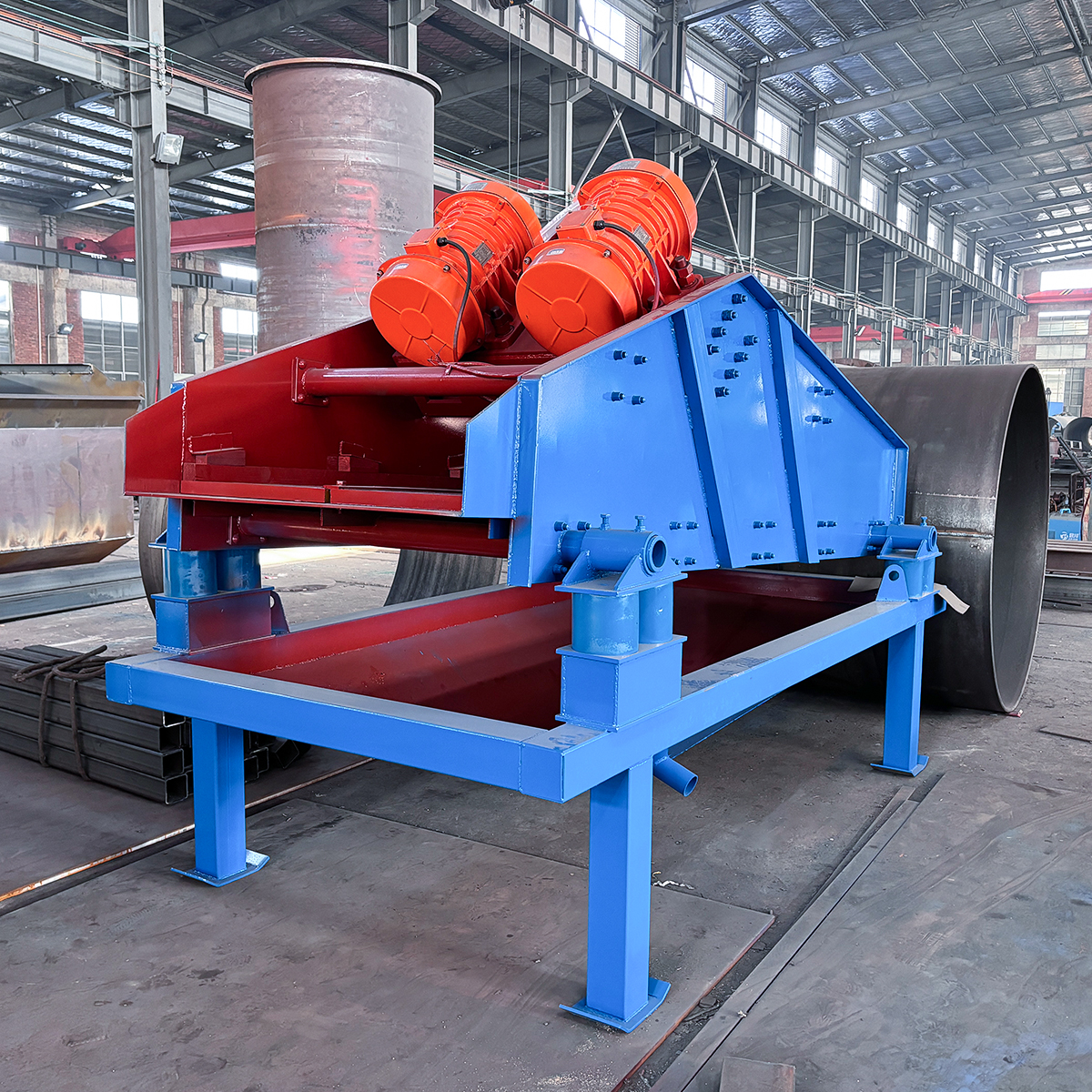
2.2 Linear Vibrating Screens
Linear vibrating screens are preferred for fine screening, dewatering, and washing applications. They provide higher screening accuracy and better control over material residence time.
Linear screens are commonly used in:
- Sand washing plants
- Tailings dewatering systems
- Fine classification stages
3. Process-Based Selection Criteria
Engineering selection of vibrating screens should always start from the process flow, not from equipment catalog parameters.
3.1 Screening Position in the Process
- Pre-screening: Removing fines before primary crushing
- Control screening: Regulating crusher feed size
- Final screening: Producing saleable products
Each position requires different screen motion, capacity, and deck configuration.
3.2 Open Circuit vs Closed Circuit Systems
In closed-circuit crushing systems, screens directly influence recirculation load. Undersized or inefficient screens increase circulating load, leading to higher energy consumption and wear.
4. Capacity Matching and Screening Efficiency
Capacity matching is one of the most critical aspects of vibrating screen selection. The screen capacity must align with:
- Upstream crusher throughput
- Downstream conveyor capacity
- Overall plant production target
4.1 Screen Area and Deck Configuration
Larger screen areas provide higher capacity and better efficiency, but increase capital cost and structural load. Multi-deck screens enable multiple product sizes in a single unit.
4.2 Inclination Angle and Vibration Parameters
Circular screens typically operate at higher inclination angles to maximize throughput, while linear screens rely on vibration direction to control material movement.
5. Matching Vibrating Screens with Crushers
Vibrating screens must be selected as part of an integrated crusher and screening system.
5.1 Jaw Crusher + Vibrating Screen
Screens after jaw crushers focus on removing fines and controlling feed size for secondary crushers. High capacity and impact resistance are key requirements.
5.2 Cone Crusher + Vibrating Screen
In secondary and tertiary stages, screens determine final product quality. Accurate aperture selection and stable vibration are critical.
5.3 Impact Crusher + Vibrating Screen
Screens must handle flaky particles and higher fines content, often requiring specialized screen media.
6. Material Characteristics and Their Impact on Selection
Material properties significantly influence vibrating screen performance:
- Maximum particle size
- Bulk density
- Abrasiveness
- Moisture and clay content
Wet or sticky materials favor linear vibrating screens with high-frequency vibration, while dry, coarse materials are better suited for circular screens.
7. Lifecycle Cost and Maintenance Considerations
Engineering selection should evaluate not only initial purchase price, but also total lifecycle cost.
7.1 Wear Parts and Screen Media
Screen media replacement frequency directly affects operating cost. Polyurethane panels offer longer life, while wire mesh provides higher open area.
7.2 Maintenance Accessibility
Screens with simple structures and easy access to exciters, bearings, and screen panels reduce maintenance downtime.
7.3 Energy Consumption
Properly selected screens reduce unnecessary vibration energy and lower overall plant power consumption.
8. EPC-Oriented Selection Strategy
From an EPC contractor perspective, vibrating screen selection must consider:
- Project timeline
- Installation constraints
- Standardization of spare parts
- Long-term operational reliability
Standardized screen models across multiple projects simplify procurement and after-sales support.
For large projects, early involvement of equipment suppliers helps optimize screen selection and avoid costly design changes.
9. Conclusion
Selecting the right vibrating screen for a mining plant is a system-level engineering decision, not a standalone equipment choice.
By evaluating process requirements, material characteristics, capacity matching, and lifecycle cost, engineers and decision-makers can significantly improve plant performance and reliability.
A well-selected vibrating screen enhances crusher efficiency, reduces operating cost, and forms the foundation of a stable and scalable mining operation.